
What Is A China Cabinet Hutch
📖 Table of Contents
I remember the first time I saw a china cabinet hutch in an antique shop. It was a dusty, forgotten corner of the store, but the way the sunlight caught the carved wood and mirrored glass made me stop in my tracks. I didn’t know what a china cabinet hutch was, but I knew I had to learn. Over the past few years, I’ve transformed several of these pieces — and each time, I learned something new about their purpose, design, and how they can breathe new life into a room.
A china cabinet hutch is more than just a place to display your fine china. It’s a piece of furniture that can anchor a room, hold your most prized belongings, and even serve as a functional workspace. When I first started upcycling these pieces, I found that many people didn’t understand the difference between a hutch and a regular cabinet. But once I explained the details — the height, the open shelving, the placement of the doors — their eyes lit up. It’s the kind of furniture that can change the whole look of a space.
If you’ve ever wondered what a china cabinet hutch is, you’re not alone. I’ve heard the question countless times from readers. It’s always been the same: ‘What makes a china cabinet hutch different from a standard cabinet?’ The answer, as I learned the hard way, lies in its design, history, and the way it functions in a home. From the height to the open shelving, from the mirrored back panels to the way it’s often paired with a sideboard, a hutch is a unique piece that deserves its own category in the world of furniture.
Why You'll Love This China Cabinet Hutch Project
- It’s a perfect blend of function and style, ideal for displaying dishes, books, or collectibles.
- Restoring a hutch can give your home a vintage or rustic feel, adding character without spending a fortune.
- It’s a great DIY project for beginners, requiring only basic tools and minimal skills.
- A completed hutch can significantly increase the value of your home or be sold at a local flea market.
What Exactly Is a China Cabinet Hutch?
As of October 2026, a china cabinet hutch is a tall, ornate piece of furniture with open shelving and doors, often featuring a mirrored back panel. These cabinets are typically placed behind a dining table or in a living room, serving as both a display case and a storage unit. Many of the hutch pieces I’ve worked on were from the mid-20th century, and they often had a distinct design with carved wood and glass elements.
One of the things that sets a hutch apart from other types of cabinets is its height. I’ve measured several, and most are between 6 to 8 feet tall — which is taller than a standard dining table. This height allows the hutch to be placed behind a table, creating a balanced look in the room. The open shelving makes it easy to display items like porcelain, glassware, or even books.
The mirrored back panels are another key feature. I’ve restored several hutch pieces, and the mirrors can really make a room feel larger. It’s a detail that adds a touch of elegance and makes the hutch a focal point in a room.
Before you begin any restoration, take precise measurements of your hutch. This will help you determine how much paint or stain you’ll need and ensure that any new hardware fits properly.
The History of China Cabinet Hutches
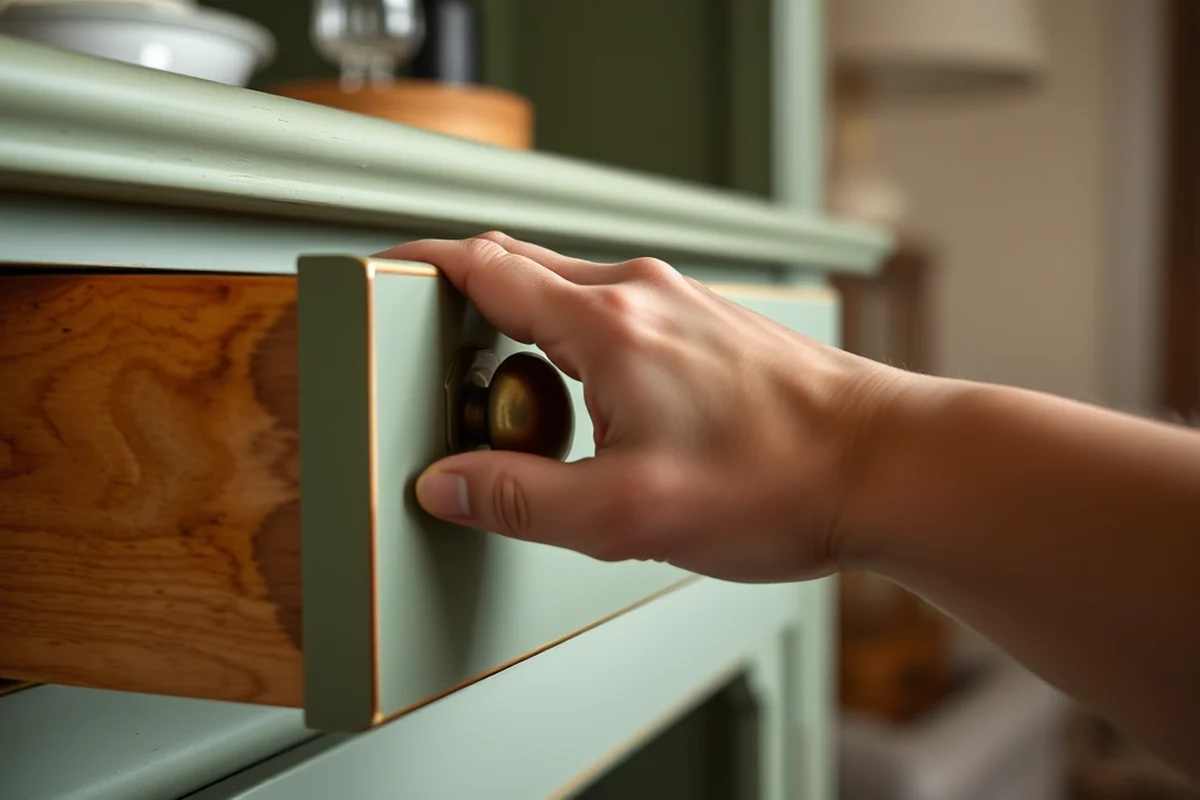
China cabinet hutches have a long history, dating back to the 18th century when they were first introduced in European and American homes. These cabinets were originally designed to store fine china, glassware, and other valuables that were too delicate for regular storage. I’ve read that many of the early hutches were made of solid wood, often with intricate carvings and dark stains.
In the 20th century, the design of hutches evolved. I’ve seen several from the 1950s and 1960s with more modern lines, lighter wood, and sometimes even plastic elements. These pieces were often part of larger dining sets and designed to complement mid-century furniture styles.
Today, many of these hutches are found in antique shops, flea markets, and even estate sales. I’ve restored a few that were over 100 years old, and they still held up well with proper care and restoration.[1]
A well-restored china cabinet hutch can be a conversation piece for decades.
Related: Kitchen island layout ideas
Why Choose a China Cabinet Hutch?
A china cabinet hutch is a versatile, stylish, and functional piece of furniture that can enhance any home. I’ve used several in my own home, and they’ve served as everything from a display case for my collection of vintage dishes to a place to store office supplies and books. The open shelving allows for easy access to items, while the doors can be used to hide clutter or protect valuables from dust.
One of the things I love about hutches is their ability to create a focal point in a room. The mirrored back panels and ornate detailing make them stand out, and they can be styled in a way that matches your home’s decor. I’ve seen readers use their hutches to display art, plants, and even small appliances like coffee makers.
Another benefit of a hutch is that it can be used in a variety of spaces. I’ve placed mine in my living room, dining room, and even my office. It’s a piece that can adapt to different rooms and purposes, making it a valuable addition to any home.
To make the most of your hutch, mix and match different items — vintage and modern, decorative and practical. Adding a few statement pieces, like a large mirror or a ceramic vase, can elevate the look of your hutch.
“I remember the first time I saw a china cabinet hutch in an antique shop.”— Upcycled Kitchen Cabinet Makeovers editors
Related: Pottery barn living room
How to Restore a China Cabinet Hutch
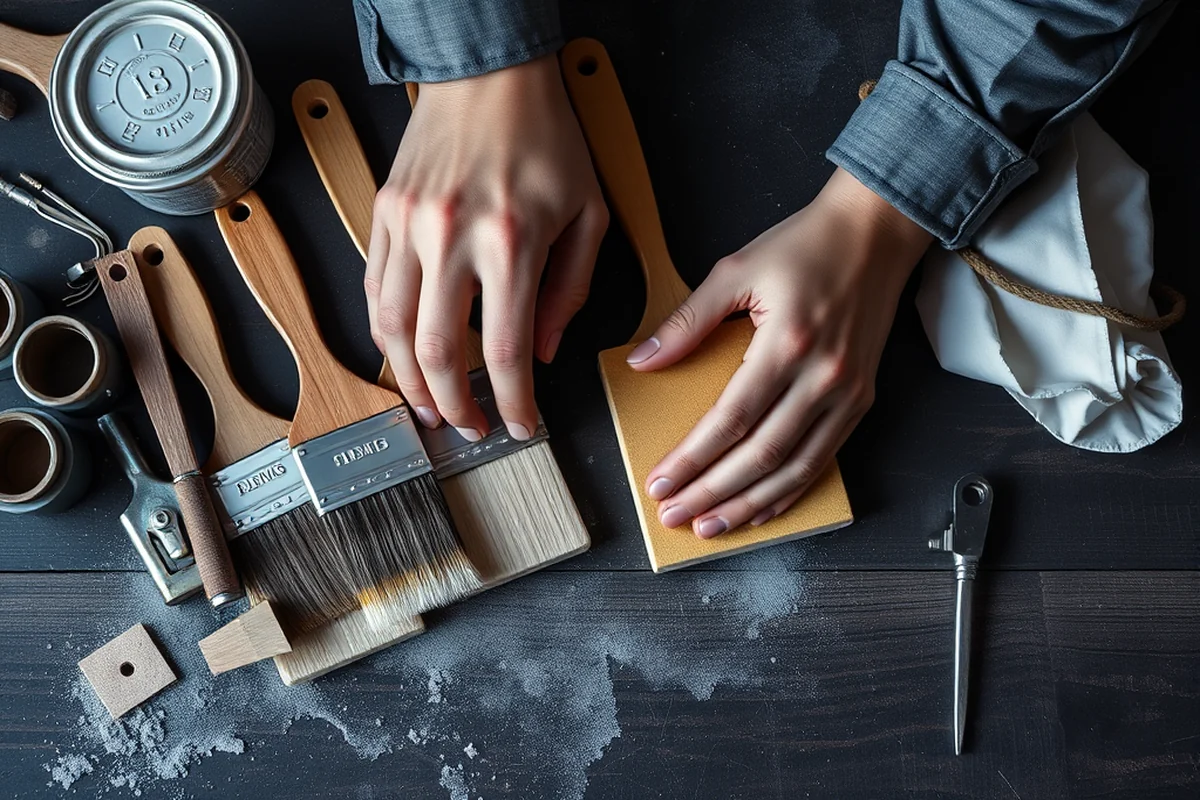
Restoring a china cabinet hutch involves several steps, including cleaning, sanding, and refinishing the wood. The first thing I always do is take the hutch apart as much as possible. That way, I can clean and sand each piece without damaging the finish. It’s also important to remove all hardware — drawer pulls, hinges, and handles — before you start sanding.
Next, I clean the wood thoroughly with a mild soap and water. This helps remove any grime or dirt that’s been built up over the years. Once the wood is clean, I sand it using progressively finer grits of sandpaper — starting with 120-grit and finishing with 220-grit. This ensures a smooth surface for the new finish.[2]
After sanding, I apply a wood primer to help the paint or stain adhere better. I’ve found that using a high-quality primer can make a big difference in the final finish. Once the primer is dry, I apply my chosen paint or stain in even coats, making sure to cover all surfaces and let each coat dry completely.
Related: Farmhouse interior design
Choosing the Right Finish for Your Hutch
The finish you choose for your hutch will depend on the look you want to achieve and the type of wood you're working with. If you're going for a classic, vintage look, I recommend using a dark stain — like mahogany or walnut. This adds depth and richness to the wood, making it look more ornate.[3]
For a more modern, clean look, a light stain or white paint is a great option. I’ve used both in my own projects, and both can look stunning when done right. It’s also important to consider the type of wood you're working with — some woods take stains better than others, and some may need a special sealer to protect them.
After applying your finish, I always recommend sealing the wood with a clear top coat. This helps protect the finish from scratches and moisture. I’ve used both polyurethane and wax in my projects, and both have worked well. The key is to apply the top coat evenly and let it dry completely before using the hutch.[4]
Related: What is a kitchen island table
Adding New Hardware to Your Hutch
Updating the hardware on your hutch can make a big difference in its overall look and feel. I’ve found that replacing old, worn-out hardware with new pulls or handles can give your hutch a fresh, modern look. When I first started restoring hutches, I used basic black pulls, but now I prefer to match the hardware to the overall style of the room.
One of the things I love about adding new hardware is how it can change the mood of a room. For example, using brass pulls can add a touch of elegance, while brushed nickel pulls can give a more contemporary feel. It’s important to choose hardware that complements the color and style of your hutch and the room it’s placed in.
When installing new hardware, it’s important to measure carefully and mark the screw holes before drilling. I’ve made a few mistakes in the past, but now I always use a level and a pencil to ensure everything is aligned properly.
A few new pulls can transform an old hutch into a modern statement piece.
Related: Dining room decor farmhouse
Where to Place Your China Cabinet Hutch
The placement of your china cabinet hutch can affect both its functionality and its visual impact in a room. I’ve found that the best place for a hutch is often behind a dining table, where it can be used to display fine china and other decorative items. This placement also makes it easy to access the hutch from the dining area.
Another option is to place the hutch in a living room or entryway. In these spaces, the hutch can serve as a display case for art, books, or even small appliances like a coffee maker. I’ve placed mine in my living room, and it’s become a favorite spot for displaying my collection of vintage dishes and glassware.
When choosing a spot for your hutch, it’s important to consider the lighting in the room. Natural light can make the hutch look more vibrant, while dim lighting can make it look dull. I’ve found that placing my hutch near a window or in a room with good lighting always makes it stand out more.
💰 Budget Build
A no-frills approach that focuses on cleaning, sanding, and using affordable paint to restore your hutch.
⏰ Weekend Version
A quick and efficient way to complete your hutch in a single weekend with minimal effort.
✨ Upgraded Finish
Use high-quality stains and hardware for a polished, elegant look that elevates the overall design.
🏠 Small-Space Adaptation
Create a compact hutch that fits perfectly in a smaller room or hallway without sacrificing style.
🔒 Rental-Safe Option
Choose removable or temporary finishes that won’t damage the property and are easy to clean up.
| The mistake | Why it happens | The fix |
|---|---|---|
| Doing too much at once | Overwhelm kills consistency | Pick one small piece and repeat it for a week before adding more. |
| Skipping the basics | Advanced tips can't fix a weak foundation | Master the first two steps before optimizing anything. |
What Is A China Cabinet Hutch
Common Questions
How long does it take to restore a china cabinet hutch?
What tools do I need for this project?
Can I use paint instead of stain for my hutch?
How do I choose the right hardware for my hutch?
References
- (PDF) 6,500 WOODWORKING PROJECTS - Academia.edu (academia.edu)
- Faculty - NYU Arts & Science - New York University (as.nyu.edu)
- E. W. Godwin and Modernism - Bard Graduate Center (bgc.bard.edu)
- Section 8A - Home Furnishings and Related Household Items (census.gov)
Cite this guide
Upcycled Kitchen Cabinet Makeovers (2026). What Is A China Cabinet Hutch. https://upcyclehome.com/what-is-a-china-cabinet-hutch/
Feel free to cite or share this guide.