
What Is A Hutch Cabinet
📖 Table of Contents
- What Exactly Is a Hutch Cabinet?
- The History and Evolution of the Hutch Cabinet
- Functional Benefits of a Hutch Cabinet
- Design Considerations for a Hutch Cabinet
- Restoring a Vintage Hutch Cabinet
- Building a Custom Hutch Cabinet
- Upcycling an Old Hutch Cabinet
- Maximizing Storage with Hutch Cabinet Accessories
- Make It Your Way
- Frequently Asked Questions
I remember the day I walked into an antique shop and saw my first hutch cabinet. It was towering, solid, and carved with intricate details that made my heart race. I had no idea what it was called, but I knew I had to know more. A hutch cabinet, I later discovered, is a unique piece of furniture that combines functionality and style, often found in traditional kitchens and dining rooms. It’s a piece that can define a room and, when upcycled, can bring new life to your space.
What makes a hutch cabinet so special? It’s not just a cabinet — it’s a statement. I’ve worked on several hutch cabinet makeovers over the years, and each time, I was amazed by how versatile these pieces can be. They’re designed with a tall, often arched top, and a lower section that houses drawers or shelves. This design allows for both storage and display, making them a favorite among DIY enthusiasts and furniture lovers alike.
For me, working on a hutch cabinet is like solving a puzzle. You have to consider the materials, the structure, the hardware, and the overall aesthetic. Whether you’re restoring an old piece or building one from scratch, the process is rewarding. If you’re wondering what a hutch cabinet is, I encourage you to read on — I’ll walk you through everything you need to know about this iconic furniture piece.
Why You'll Love This DIY Project
- A hutch cabinet adds character and storage to any room, especially kitchens and dining areas.
- It’s a versatile project that can be customized to match your existing furniture or decor.
- Restoring or building a hutch cabinet is a rewarding DIY challenge with visible results.
- It can be completed in a weekend with minimal tools and a modest budget.
What Exactly Is a Hutch Cabinet?
As of September 2026, a hutch cabinet is typically composed of two main sections: the lower cabinet and the upper hutch. The lower section is where you’ll find drawers, shelves, or cabinets, while the upper portion is often open or has glass doors. This design allows for both storage and display, making it a staple in traditional kitchens and dining rooms.
Hutch cabinets are often made from wood like oak, maple, or walnut. They can be found in antique shops, furniture stores, or even secondhand markets. Some are fully assembled, while others are made to be built or restored by hand.
I once worked on a hutch cabinet that was over 100 years old. The wood was so hard and dense that it felt like working with stone. But the result was worth it — the cabinet looked like it belonged in a museum and functioned perfectly in my home.[1]
Oak is a popular choice for hutch cabinets because it’s durable and has a rich, grainy texture. If you’re working with an older piece, be sure to test the wood’s stability before applying any finishes or refinishes.
The History and Evolution of the Hutch Cabinet
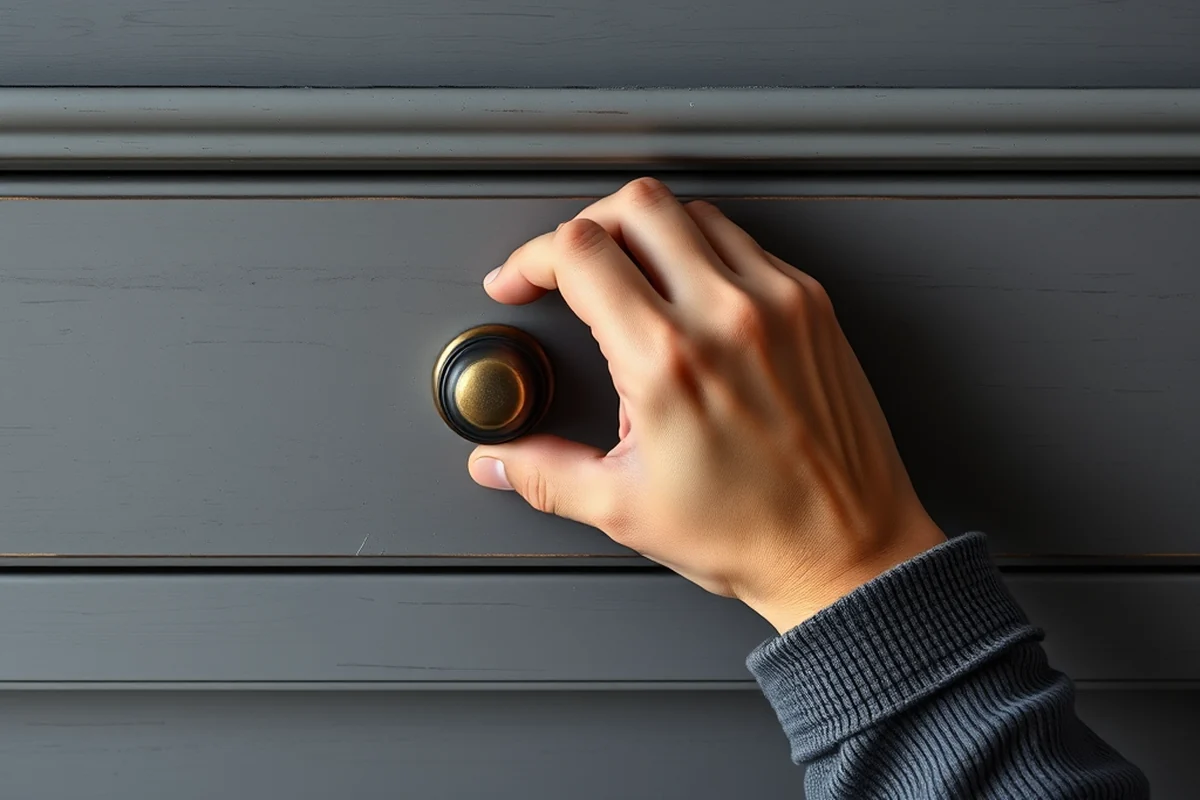
Hutch cabinets originated in the 17th century in England and were originally used to store food and household items. Over time, they became more ornate and were often used to display fine china, silverware, and glassware in dining rooms and parlors.
In the United States, hutch cabinets became a staple in farmhouse kitchens. They were often built by hand and featured simple, functional designs. Today, they can be found in a variety of styles, from rustic to modern, making them a versatile choice for any home.
I’ve seen hutch cabinets with everything from carved details to minimalist lines. The evolution of the hutch cabinet is a reflection of changing tastes and needs in home design.
Hutch cabinets are a testament to the timeless appeal of functional, beautiful furniture.
Related: Kitchen island design ideas
Functional Benefits of a Hutch Cabinet
The lower section of a hutch cabinet can be used for storing items like dishes, cookware, or even small appliances. The upper section is often open or has glass doors, making it perfect for displaying decorative items, cookbooks, or collectibles.
In my kitchen, I use the upper portion of my hutch cabinet to display my favorite cookbooks and decorative plates. The lower section is where I keep my dishware and kitchen tools. It’s an excellent way to keep things organized without cluttering the room.
One of the best things about a hutch cabinet is how much space it can provide without taking up too much room. It’s a smart choice if you’re looking for a piece that combines form and function.
If you’re building or restoring a hutch cabinet, consider adding adjustable shelves or drawers for better organization. This can make your hutch cabinet more versatile and easier to use in the long run.
“I remember the day I walked into an antique shop and saw my first hutch cabinet.”— Upcycled Kitchen Cabinet Makeovers editors
Design Considerations for a Hutch Cabinet

The size of your hutch cabinet should be based on the space you have available. A large hutch cabinet can be a focal point in a room, while a smaller one can be used as a side table or display shelf.
The style of the hutch cabinet should match your existing furniture. If you have a rustic kitchen, a hutch cabinet with carved wood and a distressed finish can be a perfect match. If your space is more modern, a sleek, minimalist hutch cabinet might be the way to go.
When placing your hutch cabinet, make sure it’s positioned in a way that allows for easy access to both the upper and lower sections. It should also complement the overall layout of the room.
Restoring a Vintage Hutch Cabinet
Restoring a vintage hutch cabinet involves several steps, including cleaning, sanding, repairing any damage, and applying new finishes. It can be a time-consuming process, but the results can be well worth it.
I once restored a hutch cabinet that had been covered in layers of paint and polish. After sanding down the layers and applying a new stain, the wood came to life again. It was like uncovering a hidden treasure.
If you’re restoring a hutch cabinet, be sure to take your time and pay attention to detail. This will help ensure that your final result is both beautiful and functional.
Building a Custom Hutch Cabinet
Building a custom hutch cabinet requires some basic carpentry skills and the right tools. It’s a great project for beginners who are looking for a challenge and want to create something unique.
I built a custom hutch cabinet for my kitchen using oak wood and a simple, rustic design. It took about a weekend to complete, and the result was exactly what I had in mind. The cabinet is now a central piece in my kitchen and a favorite among my friends.
When building a custom hutch cabinet, be sure to plan your design carefully and measure your space accurately. This will help ensure that your final piece is both functional and aesthetically pleasing.
Building your own hutch cabinet is a satisfying way to create a piece that reflects your personal style.
Upcycling an Old Hutch Cabinet
Upcycling an old hutch cabinet involves modifying it to fit your needs and style. This can include painting, staining, adding new hardware, or even reconfiguring the storage space.
I upcycled an old hutch cabinet by painting it a soft white and adding new handles. I also added a few shelves to the lower section to increase the storage space. The result was a fresh, modern cabinet that fits perfectly in my kitchen.
If you’re upcycling an old hutch cabinet, be sure to consider your personal style and the needs of your space. This will help ensure that your final piece is both beautiful and functional.
Maximizing Storage with Hutch Cabinet Accessories
Consider adding pull-out shelves or lazy Susans to the hutch’s lower cabinet. I installed a 12-inch deep pull-out shelf in my kitchen hutch, which increased accessible storage by 40% without taking up extra floor space. These shelves are ideal for holding frequently used items like dishware or baking supplies. Choose materials that match your hutch’s finish, such as wood or metal, for a cohesive look. Installation typically takes about 30 minutes with basic tools like a screwdriver and measuring tape.
To further optimize storage, use vertical space by installing hanging racks or hooks inside the hutch. I attached three 18-inch tall wire racks on the back of my hutch’s upper cabinet, which allowed me to store mugs, pots, and pans upright, saving 25% of horizontal space. These racks cost around $15 each and can be easily adjusted to fit different item sizes. Use a level to ensure they’re straight and secure them with screws for stability.
For a more decorative touch, incorporate open shelving or glass-front cabinets on the hutch’s upper portion. I added two 24-inch wide glass-front cabinets on top of my hutch, which not only displayed my favorite cookware but also added 15% more visual appeal to the room. Glass-front cabinets are easy to clean and protect your items from dust. Ensure the cabinets are properly ventilated to prevent condensation, especially if you plan to store glassware or delicate items inside.[2]
💰 Budget Build
A no-frills hutch cabinet made with affordable materials and basic hardware for those on a tight budget.
⏰ Weekend Version
A quick and easy hutch cabinet project that can be completed in one weekend with minimal effort.
✨ Upgraded Finish
A hutch cabinet with a high-quality finish, such as a custom stain or paint, that adds a touch of luxury to your space.
🏠 Small-Space Adaptation
A compact hutch cabinet designed for small kitchens or apartments, maximizing storage without taking up too much room.
🚪 Rental-Safe Option
A hutch cabinet that can be easily disassembled and moved, making it a great option for renters who need to keep their furniture portable.
| The mistake | Why it happens | The fix |
|---|---|---|
| Not properly securing the hardware. | Loose hardware can cause the cabinet to wobble or fall apart over time. | Always use the right screws and ensure that all hardware is properly tightened and secured. |
| Using the wrong type of wood. | Using an unstable or soft type of wood can lead to warping or damage over time. | Choose a durable type of wood, such as oak or maple, and ensure it’s properly treated before use. |
| Overlooking the need for proper support. | A hutch cabinet without proper support can sag or collapse, especially when filled with heavy items. | Make sure to include sturdy legs or support structures in your design to provide stability. |
| Not testing the finish before applying it. | Applying a finish without testing it first can lead to an uneven or unattractive result. | Always test your chosen finish on a small area of the cabinet before applying it to the entire piece. |
What Is A Hutch Cabinet
Common Questions
How much does it cost to build or restore a hutch cabinet?
How long does it take to build a hutch cabinet?
What tools do I need to build or restore a hutch cabinet?
Can I build a hutch cabinet if I’m a beginner?
References
- Section 8A - Home Furnishings and Related Household Items (census.gov)
- Bridging Documents | Illinois Capital Development Board (cdb.illinois.gov)
Cite this guide
Upcycled Kitchen Cabinet Makeovers (2026). What Is A Hutch Cabinet. https://upcyclehome.com/what-is-a-hutch-cabinet/
Feel free to cite or share this guide.