
Tv Cabinets For Living Room
📖 Table of Contents
- Understanding the Role of a TV Cabinet in Living Room Design
- DIY vs. Pre-Built: Which is Right for You?
- Key Features to Look for in a TV Cabinet for Living Room
- Styling Tips for Your TV Cabinet and Living Room
- How to Measure and Plan Your TV Cabinet for Living Room
- Choosing the Right Materials for Your TV Cabinet
- Upgrading Your TV Cabinet for a More Luxurious Look
- Make It Your Way
- Frequently Asked Questions
The first time I installed a TV cabinet in my living room, it felt like a revelation — not because I had a new TV, but because suddenly the space felt intentional. Before that, my TV sat on a cluttered media console that was more of a liability than an asset. I didn’t know it at the time. A TV cabinet for living room wasn’t just about holding a TV; it was about creating a focal point, a place to store media, and even a design statement. I remember the satisfaction of sliding the TV into place, knowing it was centered and level, and the way the cabinet’s finish reflected the light in the room.
I had no idea how much a TV cabinet for living room could change the dynamics of a space. Prior to that, I had always thought of the TV as an afterthought, something to be tucked into a corner or hidden behind a curtain. But once I started researching TV cabinets for living room, I realized that these cabinets could be customized, upgraded, and even built from scratch. It was during one of my early DIY attempts that I learned the importance of considering height, depth, and the materials used — details that can make or break the final look and functionality.
What started as a simple upgrade has since become a passion project. I’ve tried different styles, from minimalist floating shelves to heavy-duty wood cabinets, and each one taught me something new. Whether you’re looking to build your own TV cabinet for living room or purchase a ready-made option, I’ve learned that the right approach can make all the difference. In this article, I’ll share what I’ve discovered through trial, error, and countless hours spent in the living room — all to help you create a space that’s both beautiful and functional.
Why You'll Love This TV Cabinet for Living Room Guide
- Discover how to design a TV cabinet that fits your space perfectly, from small apartments to large living rooms.
- Learn practical tips on choosing materials, finishes, and storage solutions that enhance both style and function.
- Get step-by-step DIY instructions for building your own TV cabinet for living room, even with limited tools.
- Find inspiration for different styles, from rustic to contemporary, that align with your home’s aesthetic.
Understanding the Role of a TV Cabinet in Living Room Design
As of October 2026, a well-designed TV cabinet can transform the way you use your living room. It serves as a platform for your TV, but also acts as a storage solution for media, games, and even books. I learned this the hard way when I first tried to fit a TV into a cramped, poorly designed cabinet. The result was a cluttered space with no room for anything else.
The right TV cabinet for living room should balance aesthetics and practicality. I’ve found that opting for a cabinet with open shelving and drawer storage works best for my needs. It allows me to display media while keeping other items neatly contained. I also discovered that the height of the cabinet is crucial — too low and the TV is hard to see, too high and it feels out of place.
In my experience, the materials used for the TV cabinet for living room also play a role in its longevity and style. I’ve used MDF, particle board, and solid wood in different projects, and each has its own pros and cons. Solid wood is more durable but also more expensive, while MDF offers a smooth finish that's easy to paint.
Measure the height from the floor to the center of your TV screen, and aim for the cabinet to be between 40-45 inches tall. This ensures the TV is at eye level when seated.[1]
Part of our Kitchen cabinets guide.
DIY vs. Pre-Built: Which is Right for You?
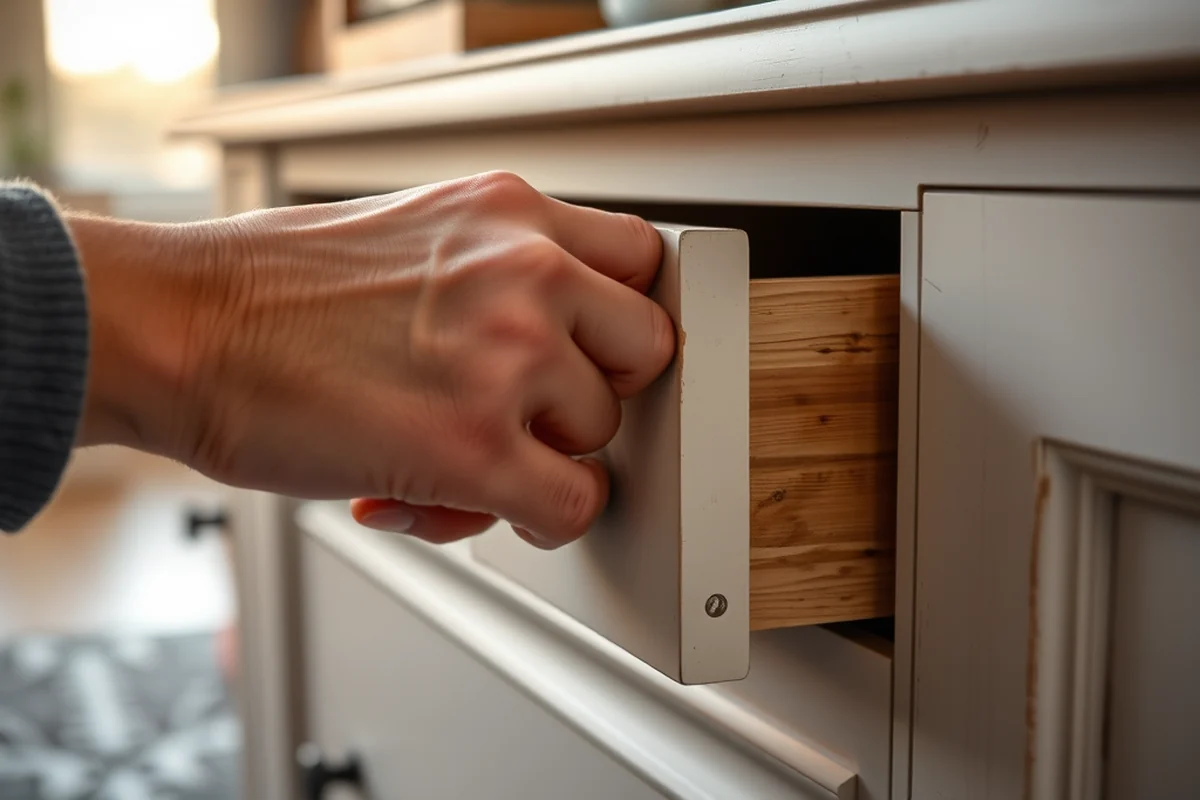
DIY TV cabinets offer the advantage of customization. I built my first one using a simple IKEA cabinet kit, which I painted and added shelves to. It was a weekend project and cost under $50. However, if you're looking for something more durable or tailored to your space, pre-built options are a good alternative.[2]
Pre-built TV cabinets for living room are great when you want a finished product without the hassle of construction. They can be found in a variety of styles and materials, and many come with built-in features like cable management and adjustable shelves. However, they can be more expensive and may not fit your space perfectly unless you measure carefully.
I recommend trying a DIY version if you’re on a budget and have some basic carpentry skills. If you're unsure, start with an affordable kit and see how it works. You can always upgrade later.[3]
DIY gives you control — pre-built gives you convenience.
Related: Custom kitchen cabinets
Key Features to Look for in a TV Cabinet for Living Room
One of the most important features is the depth of the cabinet — it needs to accommodate your TV and any additional components like a receiver or gaming console. I found that a depth of 24 inches works well for most TVs, but it's always good to check the dimensions before purchasing.[4]
Cable management is another crucial feature. Without proper cable routing, your living room can quickly become a tangle of wires. I added a cable management panel to my DIY TV cabinet, and it made a huge difference in keeping the area organized.
Storage is also a consideration. A TV cabinet for living room should have enough space for media, remotes, and other items. I’ve used cabinets with both open shelves and closed drawers, and each has its own benefits.
Install cable clips along the back of the TV cabinet to keep wires organized and out of sight. This is a simple fix that can make a big difference in the overall look of your space.
“The first time I installed a TV cabinet in my living room, it felt like a revelation — not because I had a new TV…”— Upcycled Kitchen Cabinet Makeovers editors
Related: White oak kitchen cabinets
Styling Tips for Your TV Cabinet and Living Room

I like to style my TV cabinet with a mix of open and closed storage. I keep frequently used items like remotes and game consoles on the open shelves, while less-used items are stored in drawers or cabinets. This keeps the space functional yet organized.
Adding decorative elements like books, photo frames, or small plants can enhance the visual appeal of the TV cabinet for living room. I’ve found that a simple arrangement with a few key items looks more intentional than a cluttered display.
Lighting is another factor to consider. I installed LED strips under my TV cabinet, and it creates a warm, ambient glow that enhances the room’s ambiance. It’s a small detail that makes a big impact.
Related: Kitchen cabinet for storage
How to Measure and Plan Your TV Cabinet for Living Room
I always start by measuring the space where the TV cabinet for living room will go. It’s important to take into account the width, depth, and height of the area. I also consider the placement of other furniture, like the sofa and coffee table, to avoid overcrowding the room.
Next, I determine the size of the TV and any additional components that will be stored in the cabinet. I’ve found that it's easier to work with a TV cabinet that is slightly smaller than the space, as it allows for easier installation and adjustments.
Once I have my measurements, I create a rough sketch or use a planning app to visualize how the TV cabinet will look. This step helps me identify any potential issues before starting the project.
Related: Ready to assemble cabinets
Choosing the Right Materials for Your TV Cabinet
I’ve used a variety of materials, from MDF to solid wood, and each has its own pros and cons. MDF is affordable and easy to paint, making it ideal for a DIY project. Solid wood is more durable and has a natural look, but it can be more expensive.
Particle board is another option, but it’s not as strong as MDF or solid wood. I’ve used it for smaller projects, but I wouldn’t recommend it for a large TV cabinet for living room. It’s also more prone to warping if not properly sealed.[5]
If you're looking for a budget-friendly option, MDF is a great choice. I’ve painted mine with a high-quality primer and paint, and it’s held up well over time. For a more luxurious feel, solid wood or a pre-finished cabinet might be the way to go.
Material choice affects both form and function.
Related: What is the best kitchen cabinet cleaner
Upgrading Your TV Cabinet for a More Luxurious Look
One of the easiest ways to upgrade a TV cabinet is by adding a backsplash. I used a tile backsplash behind my TV, and it added a nice touch of elegance to the space. It also helped protect the wall from any damage caused by the TV.
Another upgrade I’ve tried is adding LED lighting. I installed LED strips under the TV cabinet, and it created a warm, ambient glow that enhanced the room’s ambiance. It was a simple addition that made a big difference.
I also added custom molding around the edges of the TV cabinet for a more finished look. It gave the cabinet a polished appearance and helped it blend seamlessly with the rest of the room.
💰 Budget Build
A simple, affordable TV cabinet for living room that can be built in a weekend using MDF and basic tools.
🛠️ Weekend Version
A quick, easy-to-assemble TV cabinet for living room that's perfect for those with limited time and tools.
✨ Upgraded Finish
A high-end TV cabinet for living room with custom finishes, LED lighting, and upgraded materials.
🛋️ Small-Space Adaptation
A compact, space-saving TV cabinet for living room designed for apartments or smaller living areas.
🏠 Rental-Safe Option
A temporary, removable TV cabinet for living room that's ideal for renters who want to avoid damaging walls.
| The mistake | Why it happens | The fix |
|---|---|---|
| Not measuring the space beforehand | This can lead to a TV cabinet for living room that doesn’t fit properly and may require expensive modifications later. | Always measure your space and the TV before purchasing or building a cabinet. Create a sketch or use a planning app to visualize the layout. |
| Choosing the wrong height for the TV cabinet for living room | A cabinet that is too high or too low can make watching TV uncomfortable and affect the overall design of the room. | Measure the height from the floor to the center of your TV screen and aim for a cabinet height of around 40-45 inches. |
| Neglecting cable management | Without proper cable routing, the area can become a messy tangle of wires that detract from the room’s aesthetics. | Install a cable management panel or use cable clips to keep wires organized and out of sight. |
| Overlooking storage needs | A TV cabinet for living room that doesn’t provide enough storage can quickly become cluttered, especially if you have a lot of media and accessories. | Choose a cabinet with open shelves, drawers, or cabinets that can accommodate your needs. Consider adding additional storage solutions like shelves or bins. |
Tv Cabinets For Living Room
Common Questions
What are the best materials for a TV cabinet for living room?
How long does it take to build a DIY TV cabinet for living room?
Can I add storage to a pre-built TV cabinet for living room?
What should I consider when choosing the height of my TV cabinet for living room?
References
- Cabin Deep Cleaning Checklist Cabin # Emp (apps.sceis.sc.gov)
- Douthit E: Community Living for Students - Clemson University (clemson.edu)
- Home Inventory Checklist - MO.gov (dci.mo.gov)
- Townhouses - Campus Housing - University of Evansville (evansville.edu)
- What Vizio was doing behind the TV screen (ftc.gov)
Cite this guide
Upcycled Kitchen Cabinet Makeovers (2026). Tv Cabinets For Living Room. https://upcyclehome.com/tv-cabinets-for-living-room/
Feel free to cite or share this guide.