
Cabinet Of Curiosities
📖 Table of Contents
I still remember the first time I opened the old cabinet in my grandmother’s attic — it was like stepping into a different era. It was covered in dust, but inside were things I had never seen before: a tarnished brass compass, a stack of yellowed letters, and a tiny porcelain doll. This cabinet wasn’t just storage — it was a window into the past, a treasure trove of stories and secrets. It was then that I realized the power of a well-curated cabinet of curiosities, and how it can transform any space into a place of wonder and personality. (1865, loc.gov)[1]
Today, I’m not just restoring cabinets — I’m curating them. A cabinet of curiosities is more than a collection; it’s a statement. It’s the way you choose to display your life — not just what you own, but what you value. Whether it’s a collection of vintage teacups, a wall of travel souvenirs, or a showcase of handmade art, the cabinet of curiosities becomes the focal point of a room. It’s not about filling space, but about filling meaning.[2]
This project isn’t just about making your cabinet look nice — it’s about creating something personal, something that tells your story. In my own home, I turned an old kitchen cabinet into a showcase for my collection of glass bottles, each one representing a different journey or memory. The process took time, but the result was worth it: a space that feels alive, layered, and unique. And that’s exactly what a cabinet of curiosities should be.
Why You'll Love This Cabinet Of Curiosities Project
- Create a unique focal point that reflects your personality and story.
- Transform an old or dull cabinet into a functional and artistic showcase.
- Add character and charm without major renovations or expensive upgrades.
- Enjoy the satisfaction of curating your own space with purpose and meaning.
What is a Cabinet Of Curiosities?
As of November 2026, at its core, a cabinet of curiosities is a place where the unexpected meets the meaningful. It can be as simple as a collection of seashells or as elaborate as a curated display of art, books, and artifacts. This project is about turning an ordinary cabinet into a space that tells your story — and doing it with care, creativity, and a little bit of history.
I’ve curated cabinets in every room of my house — from the kitchen to the living room. Each one has a different theme and purpose. In my kitchen, I display vintage kitchen tools and recipe cards. In my living room, it’s a rotating collection of travel souvenirs and art pieces. The beauty of a cabinet of curiosities is that it can evolve over time, growing and changing with you.
If you’re drawn to this project, you’re not alone. There’s a quiet thrill in the process of selecting and arranging items that speak to you. It’s not just about decoration — it’s about creating a space that feels authentic and full of life.
When arranging items in your cabinet, use a level to ensure everything is straight and a measuring tape to maintain consistent spacing. This adds an immediate sense of polish and professionalism.
Part of our Kitchen cabinets guide.
Selecting the Right Cabinet
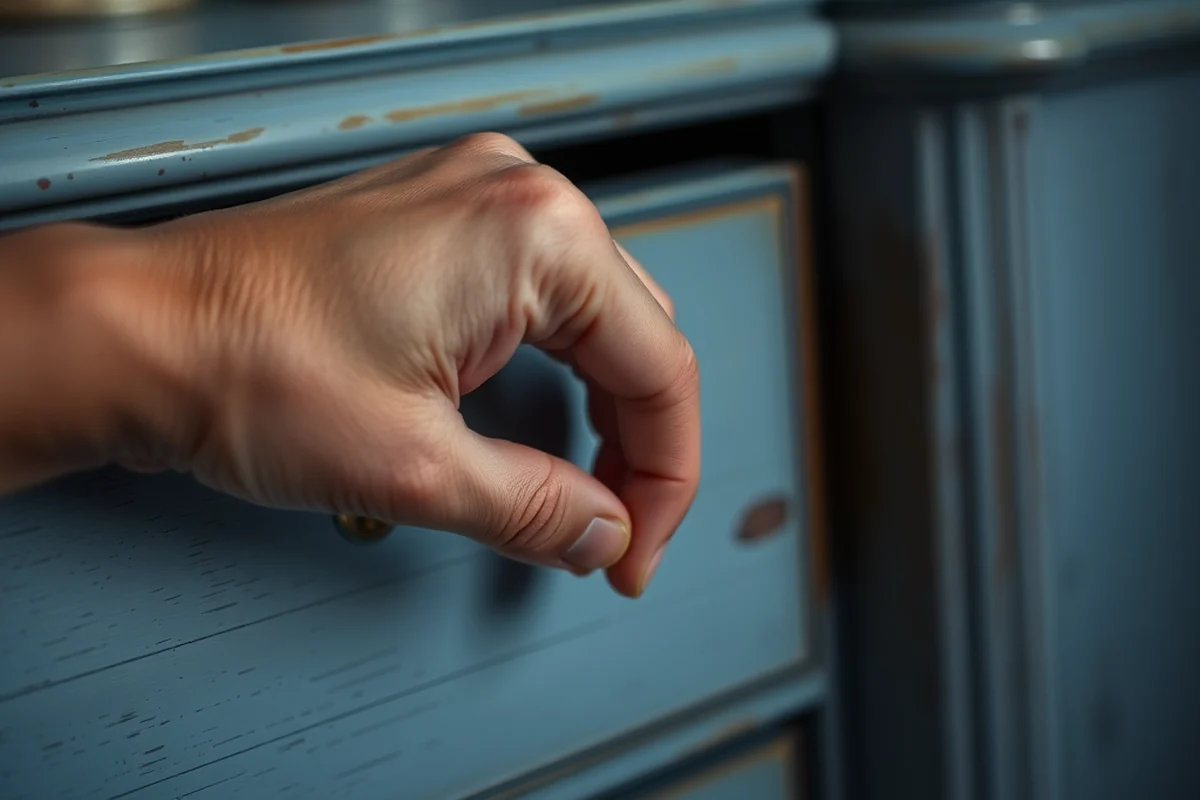
Not all cabinets are created equal, and selecting the right one can make or break your project. Look for a cabinet with open shelves or adjustable shelves that can be customized to fit different-sized items. I prefer cabinets with a classic design, as they tend to blend well with most interiors and are easier to personalize.
I once tried to use a small, modern cabinet for my collection of books and trinkets — it was a disaster. The items cramped together, and the space felt cluttered. Now, I use a taller, wider cabinet in the hallway that gives each item its own space and makes the display look intentional.
If you’re working with an existing cabinet, check the condition of the shelves and the back panel. If the cabinet is old or damaged, you may need to reinforce the structure before adding your curiosities. This small step can save you from a lot of headaches later.
Choose a cabinet that gives your curiosities room to breathe — and your space a little character.
Related: What is a kitchen island
Curating Your Collection
The heart of the cabinet of curiosities is the collection itself. This is where your creativity comes into play. I recommend starting with a theme — travel, art, history, or even a specific time period. Once you have a theme, it’s easier to choose items that fit and complement each other.[3]
I’ve filled my cabinets with items from around the world — a carved wooden figurine from Morocco, a hand-painted plate from Japan, and a vintage postcard from my first trip to Italy. These items not only add visual interest but also remind me of the places I’ve been and the people I’ve met.
Don’t be afraid to mix and match. A cabinet of curiosities is about variety and contrast — it’s a place where the unexpected can shine. Just make sure each item has a purpose and contributes to the overall story you’re telling.
Group items that are similar in color, texture, or theme together — this creates a cohesive look and makes your cabinet feel more intentional. I like to use a mix of metallics and matte finishes for a balanced display.
“I still remember the first time I opened the old cabinet in my grandmother’s attic — it was like stepping into a different era.”— Upcycled Kitchen Cabinet Makeovers editors
Related: Tv built in cabinet ideas
Preparing the Cabinet
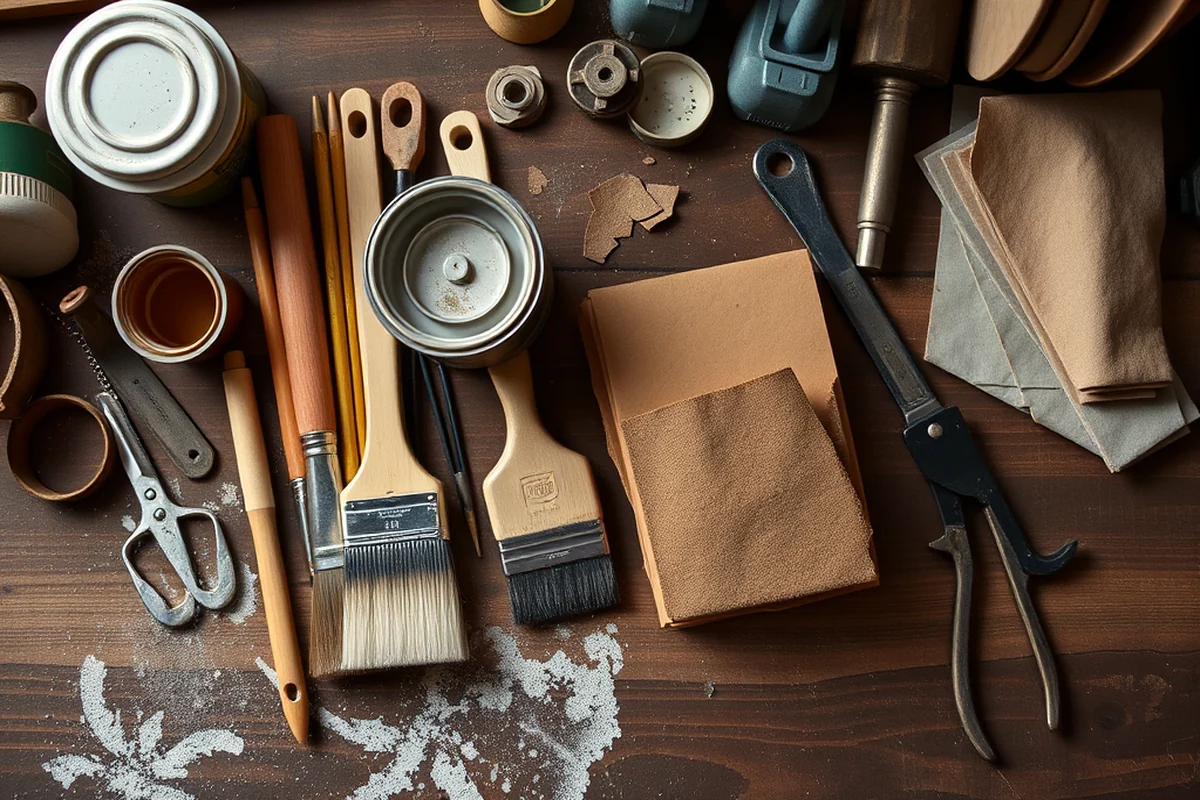
Once you’ve selected your cabinet and curated your collection, it’s time to prepare the space. Start by cleaning the cabinet thoroughly — wipe down the shelves, remove any old paint or debris, and make sure the surface is smooth. If the cabinet is old or in poor condition, you may need to sand it to create a better surface for painting or sealing.
I always apply a coat of primer before painting — it helps the paint adhere better and makes the finish more durable. I’ve found that using a high-quality primer can make a world of difference in the final look of your cabinet.
After priming, you can choose your paint color. I prefer a light, neutral shade that allows the items in the cabinet to stand out. If you want a bolder look, go for it — just make sure the color complements the items you’re displaying.
Related: Kitchen cabinet door ideas
Adding Shelves and Supports
If your cabinet doesn’t have enough shelves or if you want to add more display space, consider installing additional shelves or supports. This is a simple and effective way to create more room for your curiosities. I’ve used wooden boards cut to size and attached them with brackets for a DIY look that still feels polished.
When installing shelves, make sure they’re level and spaced evenly to prevent items from falling or becoming misaligned. I use a level and a measuring tape to ensure everything is perfectly aligned. This small detail makes a big difference in the overall look of the cabinet.
If you’re working with an old cabinet, reinforce the structure before adding additional shelves. This step is crucial to ensure the cabinet can support the weight of your items without sagging or breaking.
Related: Kitchen cabinet makeover ideas
Lighting and Display
Lighting can make or break the look of your cabinet of curiosities. I’ve found that using soft, warm lighting — like LED strip lights or small lamps — can dramatically change the way your items look. It adds depth, highlights details, and creates a cozy, inviting atmosphere.
I often place small lamps on either side of the cabinet or use LED strips inside the cabinet for a subtle glow. This lighting not only makes the items more visible but also adds a touch of elegance to the space.
If you’re using LED strips, make sure they’re installed correctly and are protected from moisture if the cabinet is in a damp area. I’ve used waterproof LED strips in my kitchen and they’ve worked perfectly — no issues with humidity or water damage.
Lighting transforms your cabinet — it’s the final touch that brings everything together.
Related: Repurposed kitchen cabinets near me
Final Touches and Maintenance
Once your cabinet is set up and your curiosities are displayed, it’s time to add the final touches. I like to add small decorative elements — like a small plant, a framed photo, or a hand-painted label — to give the space a personal touch. These little details can make a big difference in the overall look of the cabinet.
It’s also important to create a maintenance plan. Dust your cabinet regularly and check on the items to make sure they’re still in good condition. If you’re displaying delicate items, consider using a display case or protective glass to keep them safe from damage.
I’ve found that maintaining a routine — like dusting once a week and checking on the items every few months — helps keep everything looking its best. It’s a small investment of time that pays off in the long run.
💰 Budget Build
Use secondhand cabinets and minimal paint for a low-cost, high-character display.
⏰ Weekend Version
Complete in a single day with pre-purchased shelves and ready-made displays.
✨ Upgraded Finish
Add a custom paint job or decorative trim for a refined, designer look.
🏠 Small-Space Adaptation
Use a vertical cabinet or wall-mounted shelves to maximize space in tight areas.
🔒 Rental-Safe Option
Use removable shelves and non-permanent adhesives to avoid damaging your rental space.
| The mistake | Why it happens | The fix |
|---|---|---|
| Choosing a cabinet that’s too small or too narrow. | This can make the display feel cramped and cluttered, and it limits the types of items you can display. | Opt for a cabinet with enough depth and height to accommodate your items and allow for proper spacing. |
| Not cleaning the cabinet before starting. | Old paint, dust, or debris can affect the final look of your project and make the display less clean and polished. | Clean the cabinet thoroughly before starting, and make sure the surface is smooth and even. |
| Overloading the cabinet with too many items. | This can make the display feel cluttered and overwhelming, and it can also damage the items if they’re not properly supported. | Start with a few key items and add more over time. Make sure each item has enough space to breathe. |
| Ignoring the lighting in the space. | Lighting plays a crucial role in how your cabinet looks — without it, your items may not be visible and the display may feel flat or dull. | Add soft, warm lighting like LED strips or small lamps to highlight your curiosities and add depth to the display. |
Cabinet Of Curiosities
Common Questions
How do I choose a theme for my cabinet of curiosities?
What if I don’t have any items to display?
Can I use a cabinet with a different style than the room?
How do I keep my cabinet organized and looking good?
References
- Of Copyright, Men & a National Library by John Y. Cole | Articles and ... (loc.gov)
- #HistoricALX2U Virtual Activities and Tours | City of Alexandria, VA (alexandriava.gov)
- A Curious Collection of Visitors: Travels to Early Modern Cabinets of ... (digital.library.unt.edu)
Cite this guide
Upcycled Kitchen Cabinet Makeovers (2026). Cabinet Of Curiosities. https://upcyclehome.com/cabinet-of-curiosities/
Feel free to cite or share this guide.