
Should I Put Contact Paper In My Cabinets
📖 Table of Contents
- What Is Contact Paper and Why It Works for Cabinets
- How to Apply Contact Paper to Cabinets
- Choosing the Right Contact Paper for Your Cabinets
- How Long Does Contact Paper Last on Cabinets?
- Can You Paint Over Contact Paper?
- What to Do If Contact Paper Starts to Peel
- Are There Any Drawbacks to Using Contact Paper on Cabinets?
- Make It Your Way
- Frequently Asked Questions
There I was, standing in my kitchen, staring at those sad, outdated cabinets that had seen better days. I had just moved into a new home, and the kitchen was a disaster — not because of the appliances, but because of the cabinets. They were stained, dented, and the paint had long since flaked off. I had heard about contact paper as a quick and affordable fix for cabinet makeovers, but I was skeptical. Could something so simple really transform my kitchen? I decided to give it a try, and what I found was a game-changer.
The first time I used contact paper on a cabinet, I was surprised by how easy the process was. I had expected something messy or complicated, but it turned out to be straightforward. It took me less than an hour, and I was able to cover a whole cabinet with a fresh, modern look. The difference was staggering — the kitchen felt brand new, and I couldn’t believe I had done it with just a few rolls of contact paper and some patience.
Since that day, I’ve used contact paper on nearly every cabinet in my home, and I’ve learned a lot about what works and what doesn’t. I’ve tested different types of contact paper, used it on various surfaces, and even adapted the technique for small spaces and rental apartments. If you’re asking yourself, 'Should I put contact paper in my cabinets?' I can tell you with confidence that the answer is a resounding yes — but it’s not just about the idea, it’s about knowing how to do it right.
Why You'll Love This Cabinet Makeover Trick
- Transform your cabinets in under an hour with minimal effort.
- Save hundreds of dollars by skipping professional cabinet painting.
- Achieve a custom look with a wide range of contact paper designs.
- Protect your cabinets from scratches and stains with a durable finish.
What Is Contact Paper and Why It Works for Cabinets
As of August 2026, Contact paper is a self-adhesive vinyl material that can be applied directly to surfaces without the need for paint or glue. It's a popular choice for DIYers because it's quick, easy, and affordable. I’ve used it on cabinets, countertops, and even on the inside of drawers — and it always holds up well. The material is designed to be durable, so it resists scratches and stains better than regular wallpaper.
One of the biggest advantages of contact paper is that it comes in a wide variety of designs. You can find everything from basic solid colors to intricate patterns, metallic finishes, and even subtle wood-grain textures. I’ve used bold geometric prints in my kitchen, and it immediately gave the space a modern, updated feel. It’s a great way to add personality without the high cost of a full cabinet renovation.
Another benefit is that contact paper is easy to apply. You don’t need any special tools or skills. Just measure your cabinet, cut the paper to size, and press it on — and that’s it. I’ve found that using a smoothing tool or a squeegee helps eliminate bubbles and ensures a clean, even finish. Once the paper is applied, it’s almost like having brand new cabinets — but without the mess or expense.
When applying contact paper to cabinets, use a squeegee or smoothing tool to press the paper against the surface. This helps remove air bubbles and ensures a smooth, professional finish.
How to Apply Contact Paper to Cabinets
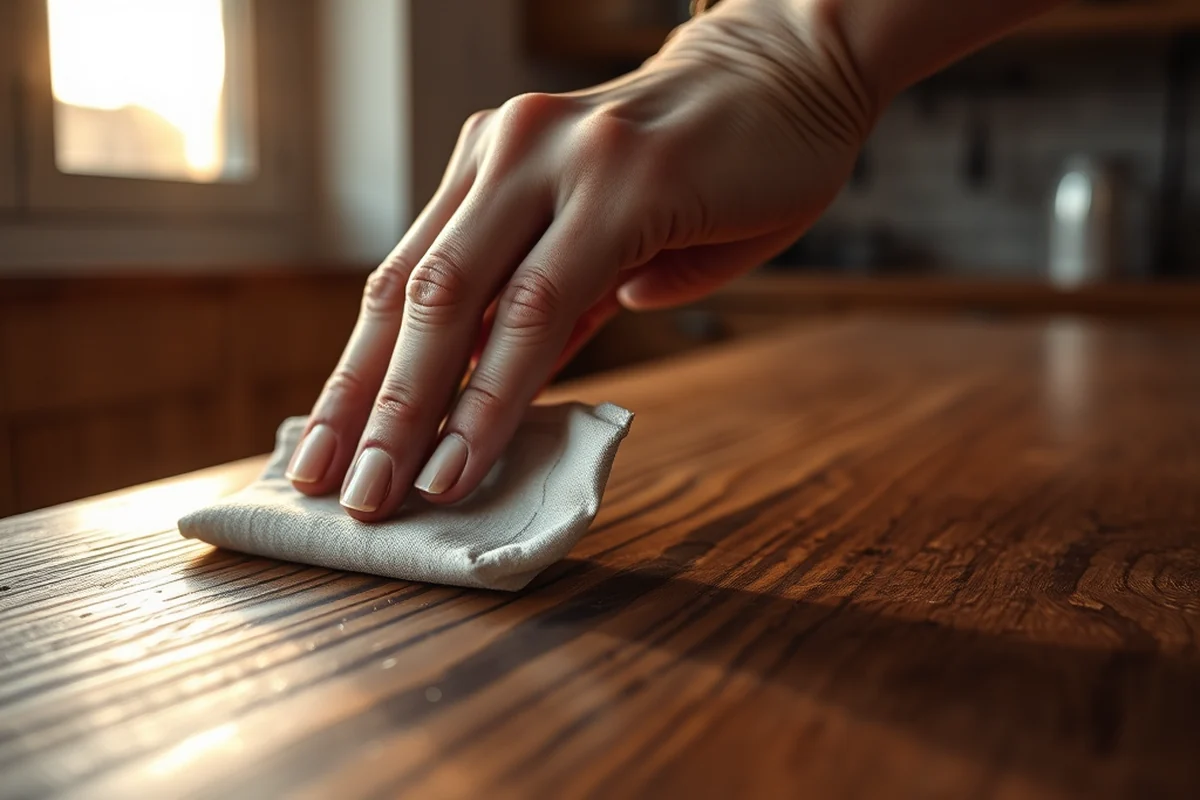
Before applying contact paper to cabinets, it's essential to clean the surface thoroughly. I use a mild cleaner and a microfiber cloth to remove any dirt, dust, or grease. A clean surface ensures better adhesion and a longer-lasting finish. Once the cabinets are clean, I let them dry completely to avoid any moisture getting trapped under the paper.
Next, I measure the cabinets and cut the contact paper slightly larger than the area I want to cover. This allows for some overlap, which makes it easier to align the paper properly. I always start at the top and work my way down, peeling the backing off the paper as I go. It’s important to press the paper firmly into place to avoid air bubbles.
Once the paper is applied, I use a smoothing tool to press it against the cabinet. This helps remove any bubbles and ensures the paper sticks evenly. I’ve found that working in sections and smoothing as I go makes the process much easier. If I make a mistake, I can simply lift the paper, adjust it, and press it back down — no need to start over.
A clean surface and careful application are key to a perfect finish.
Related: Redo kitchen cabinets with contact paper
Related: Filing cabinet makeover with contact paper
Related: Can you put contact paper on kitchen cabinets
Related: Contact Paper On Cabinets
Related: Used Appliances To Sale
Related: Kitchen Cabinets For Wholesale
Related: Upcycling Kitchen Cabinets
Related: What Is Cloud Kitchen
Related: Farmhouse Style Living Room
Choosing the Right Contact Paper for Your Cabinets
There are several types of contact paper available, and each has its own pros and cons. I’ve used both matte and glossy finishes, and I’ve found that matte finishes are less reflective and more suitable for kitchen cabinets. Glossy finishes, on the other hand, can be more eye-catching but may show fingerprints and smudges more easily.
Another consideration is the thickness of the paper. Thicker contact paper is more durable and less likely to tear when applied, especially on curved or uneven surfaces. I’ve used 2 mil thickness paper for my cabinets, and it’s held up well over time. Thinner paper is more affordable but may not be as long-lasting.
I also take the design into account. If you’re going for a modern, sleek look, solid colors or simple patterns work best. If you want to add some character, consider using a patterned or textured design. I’ve used a subtle wood grain pattern on my cabinets, and it gave the kitchen a fresh, updated look without being too flashy.
For kitchen cabinets, a matte finish is usually the best choice. It’s less reflective and more resistant to fingerprints and smudges than a glossy finish.
“There I was, standing in my kitchen, staring at those sad, outdated cabinets that had seen better days.”— Upcycled Kitchen Cabinet Makeovers editors
Related: How to contact paper cabinets
Related: Best Cleaner For Greasy Cabinets
How Long Does Contact Paper Last on Cabinets?

I’ve used contact paper on my cabinets for over two years now, and it’s still looking great. The key to longevity is using a high-quality contact paper and maintaining it properly. I’ve found that contact paper that’s specifically designed for cabinets tends to last longer than generic household contact paper.
One of the main factors that can affect the lifespan of contact paper is exposure to moisture. I’ve noticed that contact paper in the kitchen tends to show wear faster than in other areas of the home, especially in areas that are frequently wiped down or exposed to steam from cooking. To help extend the life of the paper, I recommend using a gentle cleaner and avoiding harsh chemicals.[1]
Another thing to consider is the frequency of use. If your cabinets are used heavily on a daily basis, the paper may begin to show wear sooner. However, with proper care and maintenance, I believe contact paper can last for several years. In my experience, it’s a great solution for those who want a quick, affordable way to refresh their cabinets without the long-term commitment of a full renovation.
Can You Paint Over Contact Paper?
I’ve tried painting over contact paper before, and it didn’t work well. The paint didn’t adhere properly to the surface, and the finish ended up looking uneven and peeling off within a few weeks. The contact paper is not designed to be painted on, and the materials used in the paper can prevent proper adhesion of paint.
If you want to paint your cabinets, it’s best to remove the contact paper first and then proceed with the painting process. This allows for a more durable and long-lasting finish. I’ve found that using a high-quality primer and paint designed for cabinets gives the best results.
Another option is to use a different type of vinyl or laminate that is specifically designed for painting. These materials are more suitable for painting and will provide a better finish. If you’re looking for a more permanent solution, I recommend going with a paint-based cabinet makeover instead of using contact paper.
What to Do If Contact Paper Starts to Peel
If you notice that the contact paper is starting to peel, the first step is to gently lift the paper and clean the area underneath. I’ve found that sometimes peeling is caused by residue from previous adhesives or cleaning products. Cleaning the surface with a mild cleaner can help the new paper adhere better.
Once the surface is clean, you can try reapplying the contact paper. If the original paper is still in good condition, you can try peeling it back and pressing it down again. I’ve done this before, and it has worked in some cases. However, if the paper is heavily damaged or peeling in multiple places, it may be better to replace it entirely.
If the contact paper is too damaged to fix, it’s best to remove it completely and start over. I’ve used a heat gun to help remove stubborn contact paper, but I’ve found that using a hair dryer on a low setting works just as well. Once the paper is removed, I always clean the cabinets thoroughly before applying new contact paper to ensure the best possible adhesion.
Don’t ignore peeling contact paper — address it early to avoid bigger issues.
Are There Any Drawbacks to Using Contact Paper on Cabinets?
One of the main drawbacks is that contact paper is not as durable as paint or laminate. I’ve noticed that contact paper can begin to show signs of wear after a few years, especially in high-traffic areas. It’s also not as resistant to scratches or scuffs as other finishes, so it may not be the best choice for homes with young children or pets.
Another potential issue is the difficulty of removing contact paper once it’s been applied. While it’s generally easy to remove, some types of contact paper can leave a sticky residue behind if not removed properly. I’ve found that using a heat source to soften the adhesive and then gently peeling the paper off is the best way to remove it without damaging the cabinets.
Lastly, contact paper is not suitable for all types of cabinets. I’ve found that it works best on smooth, flat surfaces. If your cabinets have a textured or uneven surface, the contact paper may not adhere properly or may look uneven once applied. In these cases, it may be better to consider a different type of cabinet makeover.
💰 Budget Build
Use basic contact paper and avoid costly design upgrades to save money while still achieving a fresh look.
⏰ Weekend Version
Complete the project in a single day with minimal effort and tools, perfect for those with limited time.
✨ Upgraded Finish
Choose premium contact paper with a higher durability and a more realistic wood-grain texture for a high-end look.
🏠 Small-Space Adaptation
Use smaller, custom-cut pieces of contact paper to refresh cabinets in compact kitchens without overwhelming the space.
🚪 Rental-Safe Option
Use contact paper that can be easily removed without leaving residue, ideal for renters who want a temporary cabinet upgrade.
| The mistake | Why it happens | The fix |
|---|---|---|
| Not cleaning the cabinets before applying contact paper | Dirt, dust, or grease can prevent the paper from adhering properly, leading to bubbles and peeling. | Always clean the cabinets thoroughly with a mild cleaner and let them dry completely before applying contact paper. |
| Using the wrong type of contact paper | Using a low-quality or non-cabinet-specific contact paper can lead to poor adhesion and early wear. | Choose a high-quality contact paper designed for cabinets or other surfaces that will be used frequently. |
| Stretching the paper when applying | Stretching the paper can cause it to shrink over time, leading to wrinkles and bubbles. | Apply the paper carefully and avoid stretching it. Work in small sections and press it down gently as you go. |
| Not using a smoothing tool | Air bubbles and wrinkles can form if the paper isn’t pressed down properly. | Use a smoothing tool or squeegee to press the paper against the surface as you apply it, ensuring a smooth finish. |
Should I Put Contact Paper In My Cabinets
Common Questions
Can I use contact paper on curved cabinet doors?
How do I clean contact paper on cabinets?
Can I use contact paper on the inside of cabinets?
What should I do if I make a mistake while applying contact paper?
References
Cite this guide
Upcycled Kitchen Cabinet Makeovers (2026). Should I Put Contact Paper In My Cabinets. https://upcyclehome.com/should-i-put-contact-paper-in-my-cabinets/
Feel free to cite or share this guide.