
What Is Kitchen Design
📖 Table of Contents
- What Is Kitchen Design, and Why Does It Matter?
- The Role of Materials in Kitchen Design
- The Importance of Storage in Kitchen Design
- The Impact of Color in Kitchen Design
- How to Choose the Right Appliances for Your Kitchen
- The Role of Lighting in Kitchen Design
- The Final Touches: Decor and Personalization
- Make It Your Way
- Frequently Asked Questions
I remember the first time I stood in a kitchen that felt like it was built for me—not just a place to cook, but a space that reflected my personality and lifestyle. It was a small, outdated kitchen in my old apartment, and I had no idea that a few well-chosen design choices could make it feel so much more functional and inviting. What is kitchen design? It’s not just about the cabinets or the countertops—it’s about the way a space flows, the way light bounces off the surfaces. The way every element works together to create a place that’s as much about aesthetics as it is about utility.[1]
Kitchen design is the art and science of arranging a space to maximize both beauty and efficiency. Whether you're building a brand-new home or giving your current kitchen a facelift, the choices you make today will impact your daily life for years to come. I’ve spent countless hours in my own kitchen, testing layouts, experimenting with lighting, and even swapping out hardware to see how each detail affects the overall feel of the space. Understanding what is kitchen design is the first step in creating a kitchen that doesn’t just look good—it works well.
In my experience, kitchen design is the intersection of form and function, where every decision is made with purpose. It’s about choosing materials that last, layouts that encourage movement, and finishes that make you feel at home. What is kitchen design, really? It’s the sum of all those small, intentional choices. Whether you’re a DIY enthusiast or someone looking for professional guidance, knowing the fundamentals of kitchen design can help you create a space that feels like it was made for you—no matter your budget or style.[2]
Why You'll Love This Kitchen Design Guide
- Understand how to create a kitchen that works for your unique lifestyle
- Learn the key elements that make a kitchen both beautiful and efficient
- Discover cost-effective, DIY-friendly design solutions
- Get practical insights from someone who has actually done the work
What Is Kitchen Design, and Why Does It Matter?
As of September 2026, at its core, kitchen design is about how you use your space. It’s not just about picking a color or choosing a countertop—it’s about creating a layout that supports your workflow, lighting that enhances your mood. Materials that are both durable and stylish. I’ve tried everything from open shelving to full cabinetry, and each choice has had a real impact on how my kitchen functions.
One of the most important aspects of kitchen design is the layout. Whether you're working with a galley, L-shaped, or U-shaped layout, the way your kitchen is arranged can make the difference between a space that feels cramped and one that feels open and inviting. I once moved my sink to the center of the kitchen, and it completely changed how I moved through the space, making cooking faster and more efficient.
Another key factor in kitchen design is lighting. Natural light is a game-changer, but when that’s not possible, the right combination of overhead, task, and ambient lighting can transform a kitchen. I installed LED strip lighting under my cabinets, and it made the whole space feel more modern and functional, even on a cloudy day.
Before you buy a single tool or material, sketch out your kitchen layout. This helps you visualize how everything will fit and where your appliances will go.
Part of our Kitchen cabinets guide.
The Role of Materials in Kitchen Design
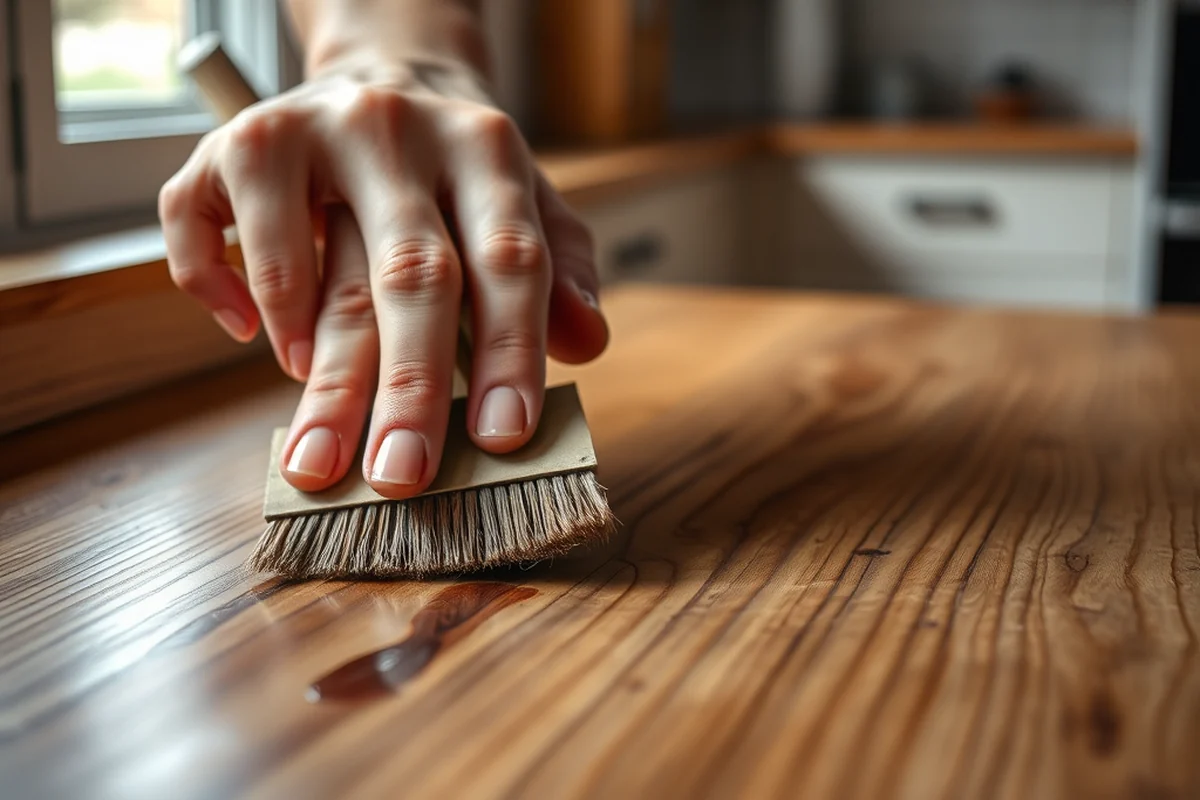
From countertops to flooring, the materials you choose can make or break your kitchen. I’ve tested a variety of materials myself, from granite to quartz and even laminate. Each has its own pros and cons, and knowing which one to pick for your space can save you time and money in the long run.
For example, quartz is a great choice if you want a material that’s both stylish and low-maintenance. It doesn’t require sealing like natural stone and is resistant to stains and scratches. On the other hand, if you’re looking for a more budget-friendly option, laminate countertops can look just as good and are much easier to install.
Flooring is another area where material choice matters. I chose a light-colored ceramic tile for my kitchen floor, and it immediately made the space feel larger. Light, neutral tiles reflect light better, which is especially helpful in smaller kitchens or those with limited natural light.
Choose materials that work for your lifestyle, not just your taste.
Related: What is pantry cabinet
The Importance of Storage in Kitchen Design
Storage is often overlooked in kitchen design, but it’s one of the most important aspects of any kitchen. I’ve spent years experimenting with different storage solutions, from open shelving to deep drawers and pull-out pantry systems. The right storage solutions can make your kitchen feel more spacious and your life easier.
One of my favorite storage additions was a pull-out spice rack. It made accessing spices much easier and kept my kitchen counter clutter-free. Another game-changer was adding a built-in trash can with a lid, which not only hides the trash but also keeps pests out.
Incorporating vertical space is another great way to maximize storage without taking up valuable floor space. I installed a set of tall cabinets on one wall, and it immediately gave me more room for pots, pans, and other kitchen essentials.
Use tall cabinets, open shelving, and wall-mounted racks to make the most of your kitchen's vertical space.
“I remember the first time I stood in a kitchen that felt like it was built for me—not just a place to cook, but a…”— Upcycled Kitchen Cabinet Makeovers editors
Related: What is kitchen decor
The Impact of Color in Kitchen Design
Color is a powerful tool in kitchen design. The right color palette can make a small kitchen feel larger, a dark kitchen feel more dramatic, or a light kitchen feel more welcoming. I’ve painted my kitchen walls in a soft, warm gray, and it immediately made the space feel more modern and less cramped.
When choosing colors for your kitchen, consider the amount of natural light you have. Light-colored walls and cabinets can help reflect light and make a space feel more open. On the other hand, darker colors can create a cozy, intimate atmosphere, which is great for kitchens that are used more for socializing than cooking.
I once painted my upper cabinets in a bold navy blue, and it made a huge impact on the overall look of my kitchen. It added depth and character without making the space feel too dark. The key is to balance bold colors with neutral tones to create a cohesive look.
Related: What is a curio cabinet
How to Choose the Right Appliances for Your Kitchen
Appliances are more than just functional—they’re also a key design element in any kitchen. When choosing appliances, it’s important to consider both their functionality and their visual impact on the space. I’ve spent time researching different appliance brands and models, and I’ve found that some brands offer better performance and more style options than others.
One of the most important considerations when choosing appliances is their size and placement. For example, an oversized refrigerator can dominate a small kitchen, while a smaller, more compact model can save space and make the kitchen feel more open. I once replaced my old, bulky fridge with a more modern, narrow model, and it immediately made the kitchen feel more spacious.
Another consideration is the finish of the appliances. Stainless steel is a popular choice because it’s durable and looks modern, but it can also show fingerprints and smudges. I’ve found that matte finishes are a good alternative because they hide smudges better and give a more contemporary look.
Related: What is kitchen appliances
The Role of Lighting in Kitchen Design
Lighting is one of the most important elements in kitchen design. The right lighting can make a kitchen feel more inviting, more functional, and more modern. I’ve experimented with different lighting setups, from simple overhead lighting to layered lighting that includes task, ambient, and accent lighting.
Task lighting is especially important in areas where you do most of your cooking, like the sink and the stove. I installed under-cabinet lighting above my sink, and it made cleaning up much easier and more comfortable. Another great addition was adding a pendant light above my island, which not only looks great but also provides extra light in the center of the kitchen.
Ambient lighting is also important for creating a warm and inviting atmosphere. I’ve found that using dimmer switches can be a great way to control the mood of the kitchen. Whether you’re cooking, entertaining, or just enjoying your space, the right lighting can make all the difference.
Lighting can transform a kitchen from functional to fabulous.
Related: What is home kitchen
The Final Touches: Decor and Personalization
Once you’ve got the layout, materials, storage, and lighting sorted, it’s time to add the final touches that make your kitchen feel like home. I’ve found that adding personal touches, like artwork, plants, or decorative hardware, can make a huge difference in the overall look and feel of the space.
One of my favorite ways to personalize my kitchen was by adding a gallery wall above my cabinets. It added character and made the space feel more lived-in. Another great addition was adding a few potted herbs on the windowsill, which not only looked nice but also gave me easy access to fresh ingredients.
Hardware, like cabinet knobs and pulls, can also be a great way to add a personal touch. I’ve tried a variety of styles, from modern stainless steel to vintage brass, and each one has had a different effect on the overall look of the kitchen.
💰 Budget Build
A no-frills, cost-effective approach to kitchen design that still looks great.
⏰ Weekend Version
Quick and easy updates that can be completed in a single weekend.
✨ Upgraded Finish
A more luxurious, high-end approach to kitchen design with premium materials.
🏠 Small-Space Adaptation
Design solutions tailored to maximize space in smaller kitchens.
🔒 Rental-Safe Option
Kitchen updates that are easy to remove or replace if you're renting.
| The mistake | Why it happens | The fix |
|---|---|---|
| Choosing materials without considering durability | Picking materials that are too delicate or hard to clean can lead to frequent maintenance and replacement. | Opt for durable, easy-to-clean materials like quartz countertops or ceramic flooring. |
What Is Kitchen Design
Common Questions
How do I start a kitchen design project?
What are some budget-friendly kitchen design ideas?
How can I make a small kitchen feel larger?
What should I consider when choosing appliances?
References
- Sarah Alice Mayfield Rice Oral History Interview | Harry S. Truman (trumanlibrary.gov)
- Western State Hospital Kitchen/Commissary Predesign Study - DSHS (dshs.wa.gov)
Cite this guide
Upcycled Kitchen Cabinet Makeovers (2026). What Is Kitchen Design. https://upcyclehome.com/what-is-kitchen-design/
Feel free to cite or share this guide.