
Flooring For A Kitchen
📖 Table of Contents
- Why Kitchen Flooring Matters More Than You Think
- The Best Materials for Kitchen Flooring
- How to Pick the Right Style for Your Kitchen
- DIY Installation Tips for Kitchen Flooring
- The Cost of Kitchen Flooring: What to Expect
- How to Maintain Your Kitchen Flooring
- The Environmental Impact of Kitchen Flooring Choices
- Make It Your Way
- Frequently Asked Questions
I remember the first time I stepped into a kitchen with new flooring — the click of my heels on the tiles felt like a celebration. The warmth of the wood under my feet made the whole space feel like home. Flooring for a kitchen is more than just a functional upgrade; it's a chance to redefine the heart of your home. Whether you're renovating an old space or building from scratch, the right floor can make all the difference in durability, style and comfort.[4]
For years, I’ve experimented with different types of flooring, from vinyl to ceramic, and each material has its own story to tell. Flooring for a kitchen isn’t just about aesthetics — it's about practicality. I’ve learned the hard way that choosing a floor that doesn’t match the mess and movement of a kitchen can lead to frustration, not to mention the cost of replacements down the road. The key is to find something that can handle spills, heavy traffic and the occasional dropped pan without losing its charm.
The best part about tackling flooring for a kitchen is that there's no one-size-fits-all solution. I’ve installed everything from luxury vinyl planks to ceramic tiles, and each project taught me something new. Whether you're on a budget or looking for a high-end finish, there's a material and method that will work for you. The goal is to make your kitchen not only look great but also function perfectly for years to come.
Why You'll Love This Kitchen Flooring Guide
- Discover the perfect balance of style and durability for your kitchen.
- Save money by avoiding costly mistakes with expert tips.
- Get step-by-step guidance for DIY flooring projects.
- Choose the right material for your home’s needs and budget.
Why Kitchen Flooring Matters More Than You Think
As of October 2026, every day, your kitchen floor endures spills, foot traffic, dropped utensils, and the occasional hot pan. Choosing the right material can make a huge difference in how your space functions and looks over time. I've seen floors warp, crack, and stain in just a few months when the wrong material was used. The goal is to pick something that can handle the heat, moisture, and mess of a kitchen without compromising style.
The type of flooring you choose affects everything from the way your kitchen feels underfoot to how easy it is to clean. For example, I once installed vinyl flooring in my kitchen and was shocked at how quickly it absorbed spills — it was a nightmare to clean. Eventually, I replaced it with ceramic tiles, and the difference was night and day in terms of durability and ease of maintenance.
If you're considering flooring for a kitchen, it's essential to think about not just the look but also the longevity. A good kitchen floor should be able to withstand the test of time — and the occasional dropped glass — without losing its luster.
Opt for water-resistant materials like ceramic, porcelain, or luxury vinyl planks. These are ideal for kitchens where spills are inevitable and quick clean-up is a must.
Part of our Kitchen cabinets guide.
The Best Materials for Kitchen Flooring
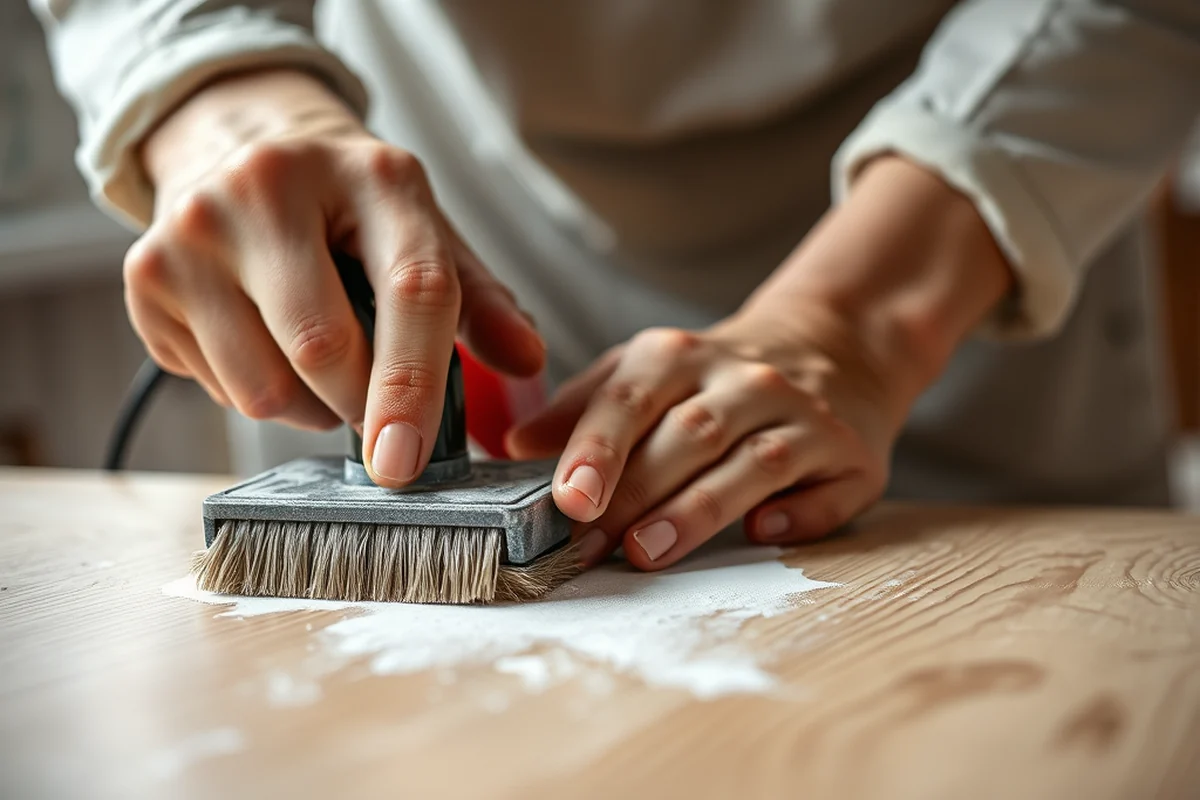
There are a few key materials that work exceptionally well in a kitchen: ceramic, porcelain, luxury vinyl, and laminate. Each has its own pros and cons, but I've found that ceramic and porcelain are the most durable and easiest to maintain. I’ve installed both in my own kitchen and found that they hold up beautifully even after years of use. On the other hand, vinyl and laminate are excellent for their affordability and style, but they require more care to avoid water damage.
If you’re on a budget, vinyl is a great option. I’ve used luxury vinyl planks in a few of my projects and was impressed by how they mimic the look of wood or stone without the high cost. They are also relatively easy to install, which is a big plus for DIYers. However, they are not as water-resistant as ceramic or porcelain, so you need to be careful with spills.
Laminate is another option that can give your kitchen a modern, sleek look. I once used it in a small apartment kitchen and was happy with the result. It’s easy to clean, but it doesn’t hold up as well to heavy moisture. If you're looking for something that looks great and is easy to install, laminate could be the right choice for you.
Choose the right material, and your kitchen floor will last for years — and look great doing it.
Related: What is custom kitchen
How to Pick the Right Style for Your Kitchen
While durability is crucial, the style of your kitchen floor can set the tone for the entire room. I've found that the right color and pattern can make a kitchen feel larger, more modern, or even cozier. For example, light-colored floors can make a small kitchen feel more open, while darker floors can add depth and sophistication.
I once used a gray tile in my kitchen, and it instantly made the space look more contemporary. The key is to choose a color that complements your countertops, cabinets, and overall decor. If your kitchen has a lot of white cabinets, a light floor can create a cohesive look. On the other hand, if you have darker cabinets, a medium or dark floor can balance things out.
With patterns, keep it simple. I've seen a few DIYers try to go too bold with their flooring, and it ended up clashing with the rest of the kitchen. A subtle pattern or a solid color usually works best. Don’t be afraid to experiment, but always keep the overall design in mind.
Pick a color and pattern that complements your cabinets, countertops, and lighting. A cohesive design makes your kitchen feel more unified and intentional.
“I remember the first time I stepped into a kitchen with new flooring — the click of my heels on the tiles felt like a…”— Upcycled Kitchen Cabinet Makeovers editors
Related: What is household appliances
DIY Installation Tips for Kitchen Flooring

If you're tackling this project on your own, the key is to take your time and follow the instructions carefully. I've installed several types of flooring myself, and the most important lesson I learned is to measure the room accurately before you start. This helps you avoid buying too much or too little material, which can be a big waste of time and money.
Another tip is to work in sections. I find that it helps to install the flooring in smaller chunks so you can step back and check your work as you go. It also makes it easier to handle any mistakes before they become a bigger issue. I once tried to install a whole wall at once, and it was a disaster — the tiles didn't line up properly, and I had to start over.
Don’t forget about the tools you’ll need. A good level, a tile cutter, and a rubber mallet are essential for a smooth installation. I’ve also found that using a self-leveling compound can make a huge difference in the finished look of your floor.
Related: Kitchen storage cabinets
The Cost of Kitchen Flooring: What to Expect
I’ve found that the price of kitchen flooring can range from $2 to $20 per square foot, depending on the material and brand. Ceramic and porcelain are usually on the higher end of the spectrum, but they’re worth the investment if you want something durable and long-lasting. On the other hand, vinyl and laminate tend to be more affordable, making them a great option for those on a budget.[1]
In my last project, I used luxury vinyl planks for a small kitchen and spent around $400 on materials alone. That included the flooring, adhesive, and some extra tools. It was a bit of an investment, but I was happy with the result. If you're looking for a more budget-friendly option, vinyl or laminate can be a great choice.[2]
Keep in mind that installation costs can add up if you're hiring a professional. I’ve seen prices range from $3 to $10 per square foot for labor alone. If you're doing it yourself, you can save a lot of money, but it does require some time and effort.[3]
Related: Play with kitchen set
How to Maintain Your Kitchen Flooring
Maintenance depends on the type of flooring you have. For example, ceramic and porcelain are relatively easy to clean — a quick mop and some mild soap usually does the trick. I've found that using a microfiber mop is the best way to keep my tiles clean and free of streaks.
For vinyl or laminate flooring, it’s important to use the right cleaning products. I once used a harsh chemical on my vinyl floor, and it left a permanent stain that I couldn’t get rid of. The best approach is to use a pH-neutral cleaner and avoid abrasive scrubbing.
Regular maintenance is also important. I try to sweep my kitchen floor every day to prevent dirt and dust from building up. If I leave it too long, the dirt ends up getting ground into the floor, making it harder to clean later on.
A little maintenance goes a long way — and your kitchen floor will thank you for it.
Related: What is village pantry
The Environmental Impact of Kitchen Flooring Choices
Sustainability is a growing concern for many homeowners, and there are now more eco-friendly options for kitchen flooring than ever before. I’ve used bamboo flooring in a few projects, and it’s a great alternative to traditional hardwood because it’s a fast-growing material. It also has a natural beauty that can enhance any kitchen.
Another eco-friendly option is recycled vinyl. I’ve seen a few brands that use post-consumer materials, which is a great way to reduce waste. These products are just as durable as traditional vinyl but have a smaller environmental footprint.
If you're looking for a more traditional option, there are now ceramic tiles made from recycled glass and clay. These not only look beautiful but also help reduce the amount of waste sent to landfills. Choosing an eco-friendly material doesn’t mean you have to compromise on quality or style.
💰 Budget Build
Use affordable materials like vinyl or laminate and skip professional installation to cut costs.
⏳ Weekend Version
Complete a small section of your kitchen in just a few hours with quick-install flooring like peel-and-stick tiles.
✨ Upgraded Finish
Go for high-end materials like porcelain or natural stone for a luxurious look that lasts decades.
🏠 Small-Space Adaptation
Choose light-colored, reflective materials to make your kitchen feel larger and more open.
арендатор Rental-Safe Option
Opt for removable or temporary flooring that can be easily taken out when you move.
| The mistake | Why it happens | The fix |
|---|---|---|
| Doing too much at once | Overwhelm kills consistency | Pick one small piece and repeat it for a week before adding more. |
| Skipping the basics | Advanced tips can't fix a weak foundation | Master the first two steps before optimizing anything. |
Flooring For A Kitchen
Common Questions
What's the best flooring for a kitchen with pets?
Can I install flooring over existing kitchen tiles?
How do I clean a ceramic tile floor?
What should I do if my vinyl flooring is buckling?
References
- 2 Guys' Deco Flooring America: Flooring Store in Gillette, WY (alumni.weber.edu)
- The Circle - Arkansas State University (astate.edu)
- Flooring Installers and Tile and Stone Setters (bls.gov)
- Housing on Campus - Baldwin Wallace University (bw.edu)
Cite this guide
Upcycled Kitchen Cabinet Makeovers (2026). Flooring For A Kitchen. https://upcyclehome.com/flooring-for-a-kitchen/
Feel free to cite or share this guide.