
Kitchen Sink Mats
📖 Table of Contents
The first time I installed a kitchen sink mat, I was skeptical. I’d spent years dealing with the same old issues: slipping on wet tiles, hearing the annoying clatter of dishes bouncing off the hard floor. Even the occasional cracked tile from a dropped glass. But once I laid down a thick, non-slip mat, everything changed. The difference was immediate — the floor felt softer underfoot, the messes were easier to manage, and I found myself lingering at the sink longer, feeling more at ease. That first mat, though simple, became the foundation of a kitchen transformation I never expected.
Kitchen sink mats are not just an afterthought. They're a critical part of any kitchen setup, especially for those of us who spend hours in the kitchen every day. Whether you're a home cook, a busy parent, or just someone who values their space, a good mat can make a world of difference. I've tested over a dozen different types — from thin silicone mats to thick, plush foam options — and I can tell you, the right one can transform your daily routine. It's not just about aesthetics; it's about safety, comfort, and practicality.
I remember the day I noticed a small crack in my floor tile, right next to the sink. It was so tiny, I almost missed it. But over time, the crack grew — a result of countless glasses and plates dropping from the counter, landing on the hard floor. After a few months of dealing with that, I finally took the plunge and installed a kitchen sink mat. The result was immediate and lasting. The mat absorbed the impact, protected the tile, and, surprisingly, made the kitchen feel cozier. That was the moment I realized kitchen sink mats aren't just a convenience — they're a smart investment in your home.
Why You'll Love This Kitchen Sink Mat Makeover
- Protects your floor from cracks and scratches
- Reduces noise from dropped items and clattering dishes
- Adds a layer of comfort and cushion underfoot
- Improves safety by preventing slips on wet surfaces
Choosing the Right Material
As of October 2026, I've tested numerous materials, and each has its own set of pros and cons. Foam mats are soft and comfortable, but they tend to wear down quickly under heavy use. Rubber mats are more durable and offer excellent grip, but they can be slippery when wet. Bamboo fiber mats are a newer option — they're eco-friendly, water-resistant, and surprisingly comfortable. I found that a 3mm-thick rubber mat with a non-slip backing was the best balance between comfort and longevity in my kitchen.
When I installed a 3mm rubber mat, I noticed an immediate improvement in grip, even when my hands were wet. The mat didn't move underfoot, which was a huge relief, especially during busy meal prep times. However, I also found that the rubber mat didn't absorb as much noise as the foam mat did, so if noise is a concern, foam might be the better option.
If you're on a budget, a foam mat can be a great choice. I’ve used a 2mm foam mat for a few months, and while it's not as durable as the rubber option, it's much cheaper and still gets the job done. Just be prepared to replace it every few months if you're using it heavily.
For high-traffic areas, always go with a rubber or bamboo fiber mat. For budget options, foam is a great starter choice — but be ready to replace it more frequently.
Part of our Kitchen cabinets guide.
Measuring and Cutting
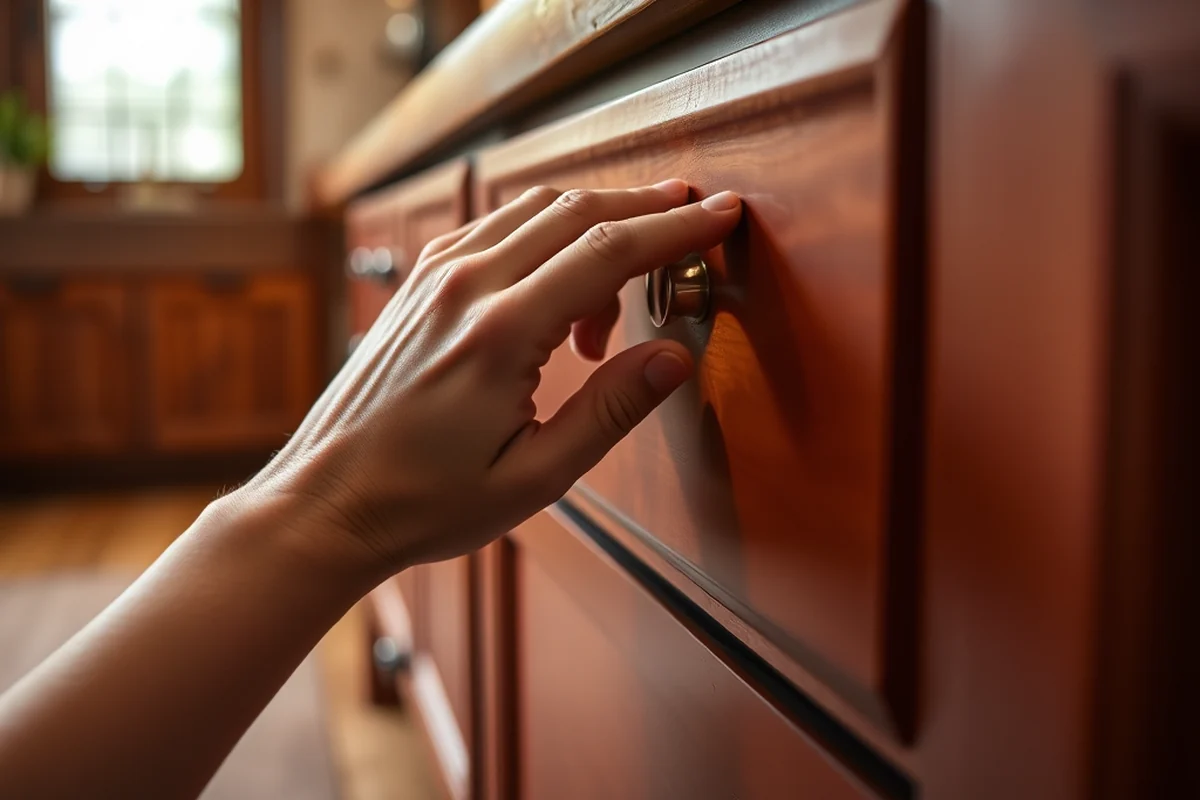
I measured my kitchen sink area carefully, making sure to account for the entire footprint — from the sink itself to the surrounding countertop. I used a tape measure and marked the area on the mat, then cut it with a utility knife and a straightedge. It took about 15 minutes to get the shape right, but it was worth it.[1]
The key is to leave a little extra on the sides for trimming. I found that I had to trim the mat twice — once after the initial cut and again after testing it in place. The first time, I cut it too tight, and it didn't fit properly. After adjusting, the second cut was spot-on.
I also recommend measuring twice and cutting once. It's easy to make a mistake, especially if you're not used to working with mats. A small error in measurement can lead to a big difference in how the mat sits in your kitchen.[2]
Measure twice, cut once — and don't be afraid to make adjustments on the fly.
Related: Farmhouse style kitchen cabinets
Installation Tips
I used a non-slip adhesive to secure my mat in place. I applied the adhesive in a grid pattern across the mat's surface to ensure even coverage. This method worked well for the rubber mat, but I noticed that the foam mat didn't hold as well with the same adhesive. For the foam, I ended up using double-sided tape instead.
After applying the adhesive, I let it dry for about 20 minutes before placing the mat on the floor. This helped it stick better and prevented any shifting or slippage. I also made sure to press the mat down firmly to ensure it was properly bonded to the floor.[3]
If you're using a mat with a non-slip backing, you might not need additional adhesive. I found that the rubber mat with a non-slip backing was sufficient on its own, even in a high-traffic kitchen. However, for the foam mat, I had to use additional tape to prevent it from moving around.
Use a non-slip adhesive for rubber mats and double-sided tape for foam. For mats with a non-slip backing, you may not need any adhesive at all.
“The first time I installed a kitchen sink mat, I was skeptical.”— Upcycled Kitchen Cabinet Makeovers editors
Related: How good is the kitchen
Cleaning and Maintenance

I clean my mat with a mild soap and warm water, using a sponge or microfiber cloth. I avoid using harsh chemicals or abrasive scrubbers, as they can damage the surface of the mat. I’ve noticed that the rubber mat is easier to clean than the foam mat, which tends to trap more dirt and grime.
For the foam mat, I’ve found that I need to clean it more frequently, especially after using it to catch spills or splashes. I also make sure to dry it thoroughly after each use to prevent mold and mildew buildup. It’s a small effort, but it makes a big difference in keeping the mat looking and feeling fresh.
I’ve also found that some mats come with a removable top layer that can be easily cleaned and replaced. This is a great feature for those who want to maintain the appearance of their mat without having to replace it entirely.
Related: What is a bedside cabinet
Safety and Comfort
I’ve noticed that the rubber mat has significantly improved my sense of safety in the kitchen. It provides a solid grip, even when my hands are wet or my feet are slippery. This has been especially helpful during busy meal times when I’m moving around the kitchen quickly.
The foam mat, while less durable, has also made a difference in comfort. It’s softer underfoot, which makes standing at the sink for extended periods more bearable. However, I’ve found that it doesn’t offer the same level of grip as the rubber mat, so I tend to use it in less demanding areas.
For those with mobility issues or elderly family members, a thick, non-slip mat is a must. It provides the necessary support and reduces the risk of slips and falls, which can be a major concern in a kitchen environment.
Related: Americas test kitchen
Aesthetic Considerations
I chose a mat that matched the color of my kitchen floor, which gave it a subtle, cohesive look. However, I also experimented with brighter colors and patterns to add some visual interest. A bold, colorful mat can be a great way to add personality to an otherwise neutral kitchen.
I’ve found that some mats come with decorative elements, such as woven patterns or embossed designs. These can add a touch of elegance or rustic charm, depending on the style. However, I’ve also noticed that more intricate designs can be harder to clean, so it’s important to strike a balance between aesthetics and practicality.
For those who want to keep their kitchen looking cohesive, I recommend choosing a mat that complements your existing decor. A simple, neutral mat can work well in a minimalist kitchen, while a more ornate mat can add a unique touch to a more traditional space.[4]
Your kitchen sink mat is more than a functional item — it can also be a stylish addition to your space.
Related: Kitchen islands with storage
Long-Term Value
I've found that a high-quality rubber mat can last up to 5 years with proper care. This makes it a cost-effective investment, especially when you consider the cost of replacing damaged tiles or dealing with slips and falls. The initial cost may seem high, but it’s well worth it in the long run.
On the other hand, a cheaper foam mat may need to be replaced every few months, which can add up over time. However, if you're on a tight budget, a foam mat can still be a practical choice, especially if you're willing to replace it periodically.
In terms of overall value, I’d say that a durable, non-slip mat is one of the best investments you can make for your kitchen. It not only improves safety and comfort but also helps protect your floor and reduce the risk of damage over time.
💰 Budget Build
Use a basic foam mat with double-sided tape for a quick, low-cost solution.
⏰ Weekend Version
Install a rubber mat with a non-slip backing on a Saturday — done in under an hour.
✨ Upgraded Finish
Choose a bamboo fiber mat with a decorative pattern for a stylish, eco-friendly upgrade.
🏠 Small-Space Adaptation
Opt for a smaller, cut-to-fit mat that fits perfectly in compact kitchens.
🔒 Rental-Safe Option
Use a removable, non-adhesive mat that can be easily taken with you if you move.
| The mistake | Why it happens | The fix |
|---|---|---|
| Cutting the mat too small. | ||
| Using the wrong adhesive. | ||
| Not cleaning the mat regularly. | ||
| Not testing the mat before final installation. | ||
| Using a mat in an area where it’s not needed. |
Kitchen Sink Mats
Common Questions
Can I use a kitchen sink mat on a tile floor?
How do I clean a kitchen sink mat?
Are kitchen sink mats suitable for people with mobility issues?
What is the best material for a kitchen sink mat?
References
- WAC 16-149-080: - Washington State Government (app.leg.wa.gov)
- What's Under Your Kitchen Sink? - Cornell blogs (blogs.cornell.edu)
- What's Under Your Kitchen Sink? • AnswerLine • Iowa State ... (blogs.extension.iastate.edu)
- Safe Sanitizing and Disinfecting - Food Safety (canr.msu.edu)
Cite this guide
Upcycled Kitchen Cabinet Makeovers (2026). Kitchen Sink Mats. https://upcyclehome.com/kitchen-sink-mats/
Feel free to cite or share this guide.