
What Does Upcycled Food Mean
📖 Table of Contents
I remember the first time I saw a kitchen cabinet that had been completely transformed from its original state — not just painted, but reimagined with new hardware, repurposed materials, and a fresh, modern design. That moment made me realize the power of upcycled furniture. But the term 'upcycled' can be confusing, especially in the context of food, which is where this article gets its title. What does upcycled food mean? It’s a term that often shows up in discussions about sustainability and waste reduction, but it can be easily misunderstood. The confusion is real, and it’s why I’m writing this piece — to clarify the concept, while keeping it grounded in the world of DIY and furniture, where I live and breathe.
Upcycled food, as the name suggests, is the process of transforming byproducts or food waste into a product of higher value. But here’s the thing: this article isn’t about food. It’s about upcycling in the context of furniture and home decor. Still, the term 'upcycled food' has its roots in the broader movement of sustainability, which is something I’ve been deeply involved in for over a decade. Whether you’re working with cabinets, tables, or chairs, the principles of upcycling — repurposing, reusing, and reimagining — are the same. The confusion comes from the word 'food,' which is why I’m careful to differentiate the two in this piece.[1]
What does upcycled food mean? The answer depends on the context, and that’s where things can get tricky. For someone working on a kitchen cabinet renovation, the term might not even apply. That’s why it’s important to understand the difference between upcycled food and upcycled furniture. In the world of furniture, upcycling is about giving new life to old items without compromising their quality or functionality. It’s a process that requires skill, creativity, and a deep understanding of materials. This article is all about that — helping you make informed decisions when you're upcycling your own furniture, whether you're a beginner or a seasoned DIYer.[2]
Why You'll Love This Upcycled Cabinet Makeover
- Revive old furniture with style and sustainability
- Create a custom look without breaking the bank
- Reduce waste by giving new life to existing materials
- Add character and uniqueness to your space
Understanding Upcycling in Furniture
As of November 2026, Upcycling furniture is a practice that’s gaining popularity in the DIY and home decor world. It’s about taking what others might see as trash and turning it into something beautiful. I’ve upcycled everything from old doors to broken chairs, and each project has taught me something new. The key is to think creatively and look for materials that can be repurposed into something more useful or stylish.
One of my favorite parts about upcycling is the freedom it gives you. You’re not limited by what’s on the market — you can use whatever materials you have on hand. I once turned an old wooden ladder into a kitchen shelf, and the result was stunning. It took a few hours, but the final product was worth every minute. Upcycling is about problem-solving and making the most of what you already have.
The environmental benefits of upcycling are huge. By repurposing materials instead of buying new ones, you’re reducing waste and saving resources. I’ve seen the impact of this firsthand — one project alone saved several pounds of wood from going to the landfill. It’s a small step, but it adds up when more people start upcycling their furniture.
Invest in a quality set of screwdrivers, sanders, and clamps. They’ll make your upcycling projects easier and more successful.
The Benefits of Upcycling
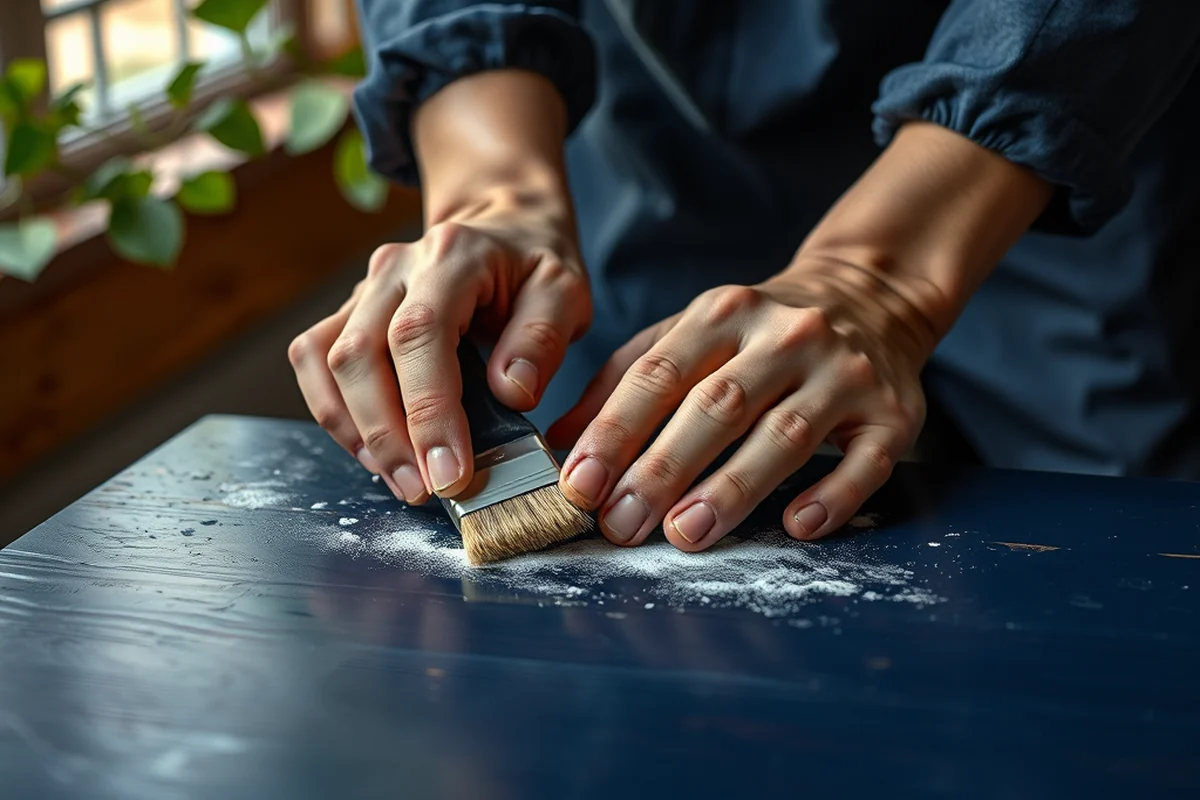
Upcycling is more than just a trend — it’s a practical and sustainable way to redecorate your home. I’ve always believed that upcycled furniture adds character and uniqueness to a space. No two upcycled pieces are ever the same, which is one of the reasons I love the process so much.
From an economic standpoint, upcycling is a cost-effective way to get the look you want without breaking the bank. I’ve saved hundreds of dollars by upcycling old furniture instead of buying new pieces. The savings can be significant, and the results are just as impressive.
The environmental impact of upcycling is another major benefit. By repurposing old furniture instead of buying new, you’re reducing the demand for new materials and helping to lower the carbon footprint of your home. It’s a win-win for both your wallet and the planet.
Upcycling is a win-win for both your wallet and the planet.
Getting Started with Upcycling
If you’re new to upcycling, the first step is to find a piece of furniture you want to work on. Look for items that are sturdy but have some wear and tear. I’ve found the best pieces at thrift stores, garage sales, and even online marketplaces. Once you have a piece, the next step is to clean and prepare it for your project.
After cleaning, it’s important to assess the condition of the furniture. Are there any structural issues that need to be addressed? Do you need to reinforce the frame or replace any damaged parts? Taking the time to evaluate the furniture before starting your project can save you a lot of time and frustration later on.
Once you’ve prepared the furniture, you can start planning your design. Think about the look you want to achieve and the materials you’ll need. I’ve found that sketching out your design before starting the project helps you stay focused and organized throughout the process.
Sketch out your design ideas before you begin working on your furniture. This will help you stay organized and avoid unnecessary mistakes.
“I remember the first time I saw a kitchen cabinet that had been completely transformed from its original state — not just painted, but reimagined…”— Upcycled Kitchen Cabinet Makeovers editors
Choosing the Right Materials
The materials you choose for your upcycling project can make or break the final result. I’ve learned through trial and error that using high-quality materials is key to achieving a professional-looking finish. Whether you’re working with wood, metal, or fabric, the quality of the material will affect the durability and appearance of your piece.
I always make sure to select materials that are compatible with the type of furniture I’m working on. For example, if I’m upcycling a wooden table, I’ll use wood that’s similar in texture and color to the original piece. This helps the finished product look cohesive and well-balanced.
Another important factor to consider when choosing materials is how they’ll hold up over time. I’ve made the mistake of using cheap materials that didn’t last very long. Investing in quality materials, even if it costs a little more upfront, can save you money in the long run.
Adding Personal Style
One of the best things about upcycling is the ability to add your own personal style to your furniture. I love the idea of turning a simple piece into something that reflects your personality. Whether it’s through paint, hardware, or decorative accents, the options are endless.
I’ve found that using bold colors and unique hardware can instantly transform an ordinary piece into something extraordinary. For example, I once painted a plain white dresser in a deep navy blue, and it became the focal point of the room. The addition of vintage handles and knobs gave it a touch of elegance and sophistication.
Adding personal style doesn’t have to be expensive. I’ve used items like old books, fabric scraps, and even items from my own collection to add character to my upcycled furniture. It’s all about being creative and thinking outside the box.
Finishing Touches
After you’ve completed the main work on your furniture, it’s time to add the finishing touches that will make it look polished and professional. This includes things like sanding, staining, and applying a protective finish. I’ve found that taking the time to sand and smooth out any rough edges or surfaces is essential for achieving a clean, finished look.
Applying a protective finish, such as polyurethane or wax, helps protect your furniture from wear and tear. I’ve used both types of finishes in my projects, and they’ve both worked well. The key is to choose a finish that’s appropriate for the type of furniture you’re working on and the level of protection you need.
Another important finishing touch is adding decorative elements like knobs, handles, and decorative trims. These small details can make a big difference in the overall look of your furniture. I’ve used vintage hardware in several of my projects, and it’s always been a hit with friends and family.
The finishing touches are what bring your upcycled furniture project to life and make it look complete.
Maintaining Your Upcycled Furniture
Once your upcycled furniture is complete, it’s important to take care of it to ensure it lasts for years to come. I’ve learned through experience that regular maintenance can help prevent damage and keep your furniture looking its best. This includes things like cleaning, polishing, and protecting the surface from moisture and scratches.
I always make sure to clean my upcycled furniture regularly, especially if it’s used in high-traffic areas. A simple wipe down with a damp cloth and a mild cleaner can go a long way in keeping it looking fresh and new. I’ve also found that applying a protective coat of wax or polyurethane can help protect the surface from wear and tear.
It’s also important to avoid exposing your upcycled furniture to direct sunlight or heat sources, as this can cause the finish to fade or crack over time. I’ve learned the hard way that leaving furniture in direct sunlight can lead to discoloration and damage. Taking a few simple steps to protect your furniture can help it last for years to come.
💰 Budget Build
A simple upcycling project with minimal cost and effort, using materials you already have at home.
⏰ Weekend Version
A quick and easy upcycling project that can be completed in one weekend with minimal tools and materials.
✨ Upgraded Finish
A more detailed upcycling project with a high-quality finish and additional decorative elements for a polished look.
🛋️ Small-Space Adaptation
A compact upcycling project that’s perfect for small spaces, using space-saving designs and materials.
🔒 Rental-Safe Option
A temporary upcycling project that’s ideal for renters, using removable or non-damaging materials and techniques.
| The mistake | Why it happens | The fix |
|---|---|---|
| Using low-quality materials that don’t last. | Low-quality materials can lead to a short lifespan for your upcycled furniture, resulting in more work and expense in the long run. | Invest in high-quality materials that are durable and well-suited for the type of furniture you’re working on. |
| Neglecting to prepare the furniture before starting the project. | Failing to clean and assess the furniture before starting your project can lead to unexpected issues and delays. | Take the time to clean and evaluate the furniture before you begin. This will help you identify any structural issues and make necessary repairs. |
| Skipping the finishing touches. | Skipping the finishing touches can leave your upcycled furniture looking unfinished or unprofessional. | Always take the time to apply a protective finish and add any decorative elements that will enhance the overall look of your project. |
| Overlooking the importance of planning and design. | Not planning your design before starting the project can lead to confusion and poor results. | Sketch out your design ideas before you begin. This will help you stay organized and focused throughout the project. |
What Does Upcycled Food Mean
Common Questions
What are the best materials to use for upcycling furniture?
Can I upcycle furniture if I have no experience?
What tools do I need to get started with upcycling?
How long does it take to complete an upcycled furniture project?
References
Cite this guide
Upcycled Kitchen Cabinet Makeovers (2026). What Does Upcycled Food Mean. https://upcyclehome.com/what-does-upcycled-food-mean/
Feel free to cite or share this guide.