
What Is A Kitchen Sideboard
📖 Table of Contents
- What Exactly Is a Kitchen Sideboard?
- How a Kitchen Sideboard Enhances Kitchen Layout
- Designing a Kitchen Sideboard from Scratch
- Budget-Friendly Ways to Build a Kitchen Sideboard
- Choosing the Right Materials for Your Sideboard
- Styling and Decorating Your Kitchen Sideboard
- Upcycling an Old Cabinet into a Kitchen Sideboard
- Maximizing Storage with Custom Shelves and Drawers
- Make It Your Way
- Frequently Asked Questions
I still remember the first time I saw a kitchen sideboard in a friend’s home. It sat like a quiet sentinel in the corner, sturdy and functional, yet somehow warm. I’d never heard the term before, but its presence felt familiar—like a hybrid between a cabinet and a countertop, designed for storage and style. That moment sparked my curiosity about what exactly a kitchen sideboard is and how it can transform a space. It wasn’t until I built my own one from an old barn door that I truly understood its potential.
A kitchen sideboard isn’t just a piece of furniture—it’s a solution to clutter, a stage for decor, and a foundation for practicality in the kitchen. I’ve spent years working with reclaimed wood, repurposing old furniture, and learning how to balance aesthetics with functionality. If you’re wondering, 'what is a kitchen sideboard,' you're likely looking for a way to add storage, display, and character to your kitchen without breaking the bank or sacrificing style.
Let me tell you, the first time I upcycled a sideboard, it felt like solving a puzzle I never knew I had. I used a salvaged oak table, sanded it down, painted it in a soft sage, and added a few drawers for storing dishes. The result was not just a place to put my knives and cutting boards, but a focal point that made the entire room feel more cohesive. That’s the kind of magic a kitchen sideboard can bring.
Why You'll Love This Kitchen Sideboard Makeover
- Transforms any kitchen corner into a functional and stylish hub
- Adds storage and display space without requiring a full renovation
- Can be made from reclaimed or salvaged materials, reducing waste
- Customizable to match your kitchen’s unique style and needs
What Exactly Is a Kitchen Sideboard?
As of October 2026, a kitchen sideboard is a versatile piece of furniture that typically sits along the walls or in corners, offering a blend of storage and display. I’ve used them to hold everything from dinnerware to books, and even as a surface for preparing meals. The best part? They don’t take up a lot of space, yet they give you a ton of utility.
Unlike traditional cabinets, sideboards often have open shelving, drawers, and sometimes even a small counter top. I’ve built a few over the years, and the most common feature is the ability to customize the design to fit the room. Whether you’re going for a rustic look with reclaimed wood or a sleek modern finish, there’s a sideboard that can match your aesthetic.
I once turned an old kitchen table into a sideboard by adding a few shelves and painting it in a muted tone. It took about a weekend and cost less than $50, but it added a whole new dimension to my kitchen’s layout. That’s the kind of impact a well-crafted sideboard can have.[1]
Start with a sturdy, flat base—like an old table or cabinet. Avoid flimsy pieces that won’t hold up to daily use. I’ve learned this the hard way after a few DIY disasters.
Part of our Kitchen cabinets guide.
How a Kitchen Sideboard Enhances Kitchen Layout
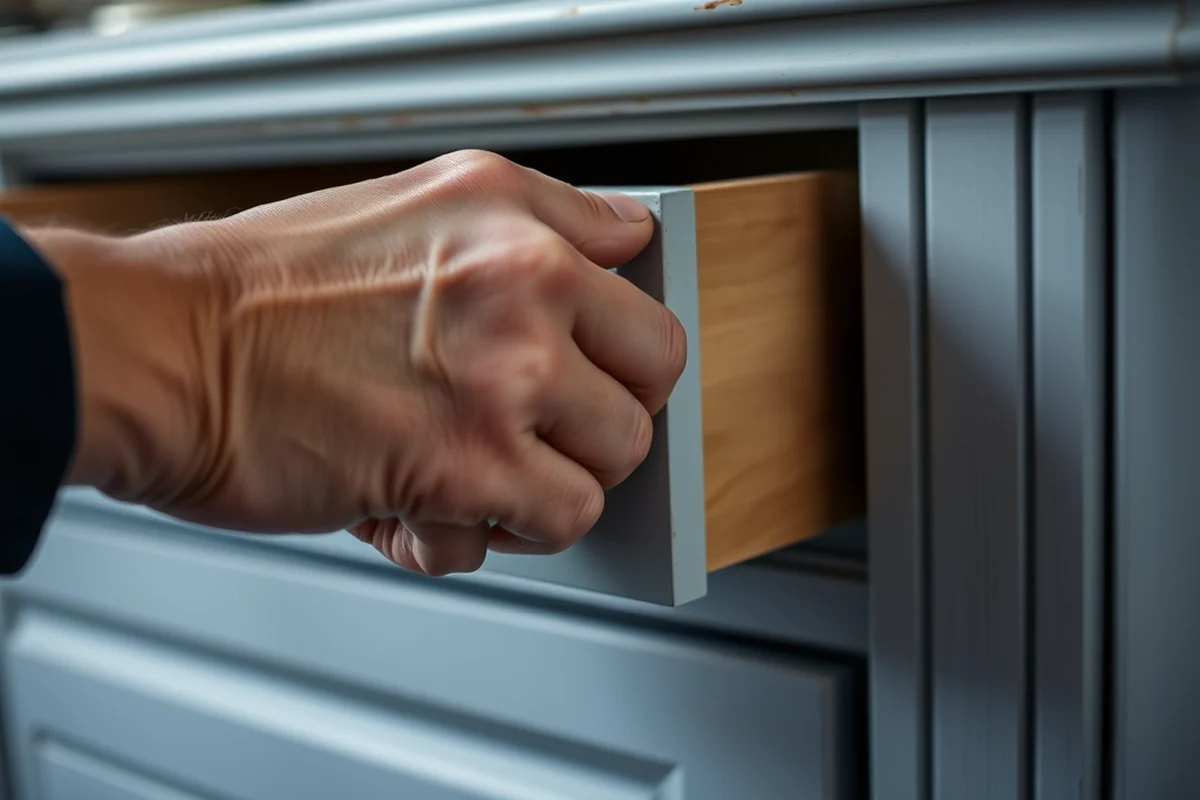
I’ve found that a well-placed kitchen sideboard can redefine the flow of a room. In my previous home, I placed one against the wall near the dining area, which created a natural separation and added a visual anchor to the space. It also gave me a spot to display my favorite dishes and cookbooks.
The beauty of a sideboard is that it can serve multiple purposes. I’ve used mine to hold a small fridge, which was a game-changer for my tiny kitchen. It freed up cabinet space and gave me a dedicated area for keeping snacks and drinks.
Another thing I love about sideboards is their flexibility. Whether you’re hosting a dinner party or just need a place to lay down your apron, they’re there for you. That’s the kind of practicality I look for in furniture.
A kitchen sideboard is the unsung hero of small kitchens.
Related: Recycled kitchen cabinets for sale
Designing a Kitchen Sideboard from Scratch
If you're thinking, 'what is a kitchen sideboard,' you might be surprised at how much you can customize one. I've created several from scratch, using reclaimed wood and old cabinets. The process is straightforward if you follow a few basic steps.
One key tip I’ve learned is to measure your space carefully. I once made a sideboard that was too long for the corner, and it looked awkward. A little planning goes a long way. I recommend starting with a sketch and then gathering materials that fit your vision.[2]
Another thing to consider is storage. I’ve found that a combination of open shelves and closed drawers works best. That way, you can keep things organized and still have a place to display your favorite items. It’s all about balance.
Sketch out your design first, and measure the space where the sideboard will go. This helps avoid costly mistakes and ensures the piece fits perfectly.
“I still remember the first time I saw a kitchen sideboard in a friend’s home.”— Upcycled Kitchen Cabinet Makeovers editors
Related: Wardrobe door makeovers
Budget-Friendly Ways to Build a Kitchen Sideboard

I’ve built several sideboards on a tight budget by sourcing materials from thrift stores, salvage yards, and even my own garage. The key is to focus on the essentials and avoid unnecessary features.
One of my most cost-effective projects used a salvaged kitchen table as the base. I added a few shelves and painted the whole thing in a soft color. It took about a weekend and cost me less than $50. That’s a great return on investment.[3]
Another tip is to use paint or stain instead of buying new wood. I’ve found that a simple coat of paint can completely transform an old piece of furniture. It’s a quick and affordable way to refresh your kitchen without breaking the bank.
Related: Cabinet door ideas
Choosing the Right Materials for Your Sideboard
When building a kitchen sideboard, the materials you choose can make a big difference in the final look and feel. I’ve used everything from reclaimed wood to MDF, and each has its own pros and cons.
For a rustic look, I recommend using reclaimed wood. It adds character and is often more affordable than new wood. Just be sure to sand it down and treat it properly to avoid splinters.[4]
If you're going for a sleek, modern finish, MDF or particle board are good options. They’re easy to paint and can be shaped to fit your design. Just make sure to reinforce them with wood screws or brackets for added stability.
Related: Cabinet makeover with wallpaper
Styling and Decorating Your Kitchen Sideboard
I love the way a sideboard can be styled to match the rest of the kitchen. Whether you're going for a rustic look or a modern vibe, the right decor can make all the difference.
One of my favorite ways to style a sideboard is with a mix of textures and colors. I’ve used ceramic bowls, woven baskets, and even a few decorative plates to add visual interest. It’s all about creating a cohesive look.
Another thing I’ve learned is to keep it balanced. Too many items can make the space look cluttered. I try to keep it simple with a few key pieces that reflect my personal style. That’s the kind of balance I aim for in every project.
A kitchen sideboard is a blank canvas waiting to be styled.
Related: Upcycling kitchen cabinets
Upcycling an Old Cabinet into a Kitchen Sideboard
I’ve turned a few old cabinets into stunning kitchen sideboards over the years. The process is straightforward, and the results are always rewarding. One of my favorites used an old kitchen cabinet with a few drawers and shelves.
The first step is to clean the cabinet thoroughly. I’ve found that sanding it down and painting it in a soft tone gives it a fresh look. It’s amazing how a little paint can completely transform an old piece of furniture.
Another thing to consider is the layout. I’ve found that adding a few shelves and drawers can make the cabinet more functional. It’s all about finding the right balance between style and utility.
Maximizing Storage with Custom Shelves and Drawers
Adding custom shelves and drawers to your kitchen sideboard can significantly increase its functionality. By measuring your available space and calculating the number of shelves or drawers you need, you can optimize storage. For example, a 36-inch tall sideboard can accommodate three shallow drawers (each 8 inches high) and two open shelves (each 12 inches high). This layout allows for storing small appliances, utensils, and decorative items efficiently.
When installing custom storage, consider using soft-close drawer slides and adjustable shelf supports. These components typically cost between $20 and $50 per drawer or shelf, depending on the brand and quality. I once installed a set of adjustable shelves in a 48-inch wide cabinet, which allowed me to reconfigure the space as my storage needs changed over time. The flexibility of adjustable shelves is especially useful in kitchens where usage patterns shift frequently.
To ensure durability and ease of use, use solid wood or high-quality MDF for your custom inserts. I built a set of custom drawers for my sideboard using ¾-inch thick MDF panels, which cost about $15 per drawer. After assembling them with a wood glue and clamps, I applied a water-based polyurethane finish for added protection. This process took about 4 hours per drawer, but the result was a sturdy and long-lasting addition to my kitchen that I use daily.
💰 Budget Build
Use salvaged materials and basic tools for a low-cost sideboard.
⏰ Weekend Version
A quick and simple build for a finished sideboard in less than a day.
✨ Upgraded Finish
Add custom hardware, stain, or paint for a high-end look.
🛋️ Small-Space Adaptation
Create a compact sideboard that fits even the tiniest kitchens.
🚪 Rental-Safe Option
Build a temporary sideboard that can be easily moved or removed.
| The mistake | Why it happens | The fix |
|---|---|---|
| Using the wrong type of wood | Using wood that's too soft or warped can lead to a weak and unstable sideboard. | Choose a sturdy wood like oak or MDF, and make sure it's properly dried and treated. |
| Not measuring the space first | Building a sideboard without measuring the space can result in a piece that doesn’t fit properly. | Measure the area where the sideboard will go and sketch out a design before starting the build. |
| Overloading the shelves | Putting too much weight on the shelves can cause them to sag or break over time. | Use supports or brackets to reinforce the shelves and distribute the weight evenly. |
| Ignoring the hardware | Cheap or poorly installed hardware can make the sideboard feel flimsy or unstable. | Invest in quality hardware and make sure it's installed correctly with the right tools. |
What Is A Kitchen Sideboard
Common Questions
Can I build a kitchen sideboard without any woodworking experience?
What’s the best way to ensure my sideboard is stable?
How long does it take to build a kitchen sideboard?
Can I use an old dresser as a sideboard?
References
- (PDF) A Sideboard Manifesto: Design Culture in an Artificial World (academia.edu)
- HO-174 Hollywood Farm (Tubman House - Maryland.gov (apps.mht.maryland.gov)
- Sample text for The golden compass / Philip Pullman. (catdir.loc.gov)
- Western Home Builder (dahp.wa.gov)
Cite this guide
Upcycled Kitchen Cabinet Makeovers (2026). What Is A Kitchen Sideboard. https://upcyclehome.com/what-is-a-kitchen-sideboard/
Feel free to cite or share this guide.