
What Is The Best Quality Kitchen Cabinets
📖 Table of Contents
- Understanding Cabinet Materials: What Makes a Cabinet High-Quality
- Construction Techniques: The Difference Between a Good Cabinet and a Great One
- Finishes That Last: How to Choose the Right One for Your Kitchen
- The Importance of Cabinet Doors and Drawers
- Custom vs. Pre-Fabricated Cabinets: Which Is Right for You?
- The Cost Factor: How Much Should You Expect to Pay?
- Finding the Best Quality Kitchen Cabinets: Tips and Tricks
- Make It Your Way
I still remember the first time I walked into my new home and saw the sad state of the kitchen cabinets — warped, stained, and barely holding together. It took me a weekend of research and experimentation to figure out what the best quality kitchen cabinets actually were, and it changed the look and feel of my entire kitchen. The search led me to materials like solid wood and engineered wood, but it wasn’t just about the type of wood; it was about craftsmanship, finish, and durability. If you’re looking for the best quality kitchen cabinets, this article will guide you through every step of the process, from identifying materials to finding the right finish for your space.
The journey to finding the best quality kitchen cabinets wasn’t just about aesthetics — it was about function and longevity. I tested different finishes, including lacquer, polyurethane, and melamine, and learned that each had its own pros and cons. For example, lacquer dries quickly and provides a smooth finish, but it’s not the best for high-moisture areas. On the other hand, polyurethane is more durable but requires careful application. Choosing the right cabinets involves more than just picking a style; it’s about understanding the materials, construction, and finishes that will stand the test of time.[1]
After spending weeks comparing options, I finally settled on a set of cabinets that were both beautiful and built to last. The difference was noticeable — not just in how they looked, but in how they felt. The cabinets were sturdy, the drawers slid smoothly, and the finish resisted scratches and water spills. The experience taught me that the best quality kitchen cabinets aren’t just about the brand or the price tag; they’re about the details — the joinery, the materials. The finish that make them feel like a permanent part of your kitchen.
Why You'll Love This Guide to the Best Quality Kitchen Cabinets
- You'll learn to identify high-quality materials like solid wood and engineered wood.
- You'll understand the importance of cabinet construction, from dovetail joints to frameless designs.
- You'll discover how finishes impact durability and maintenance.
- You'll get expert tips for selecting cabinets that match your style and needs.
Understanding Cabinet Materials: What Makes a Cabinet High-Quality
As of October 2026, with materials, solid wood cabinets are often considered the gold standard. They’re strong, can be refinished multiple times, and add a timeless look to any kitchen. However, solid wood can be expensive and may require more maintenance over time. Engineered wood, such as MDF or particle board, is more affordable and stable — it resists warping and swelling from humidity, which makes it ideal for kitchens with fluctuating temperatures and moisture levels.
I tested both types in my own project and found that engineered wood was perfect for my budget and needs. It’s less prone to warping, and when properly sealed, it can look just as good as solid wood. However, if you have the budget, investing in solid wood can give you a richer appearance and more flexibility in the future. For example, solid wood cabinets can be painted or refinished multiple times, which is a big plus if you like to update your kitchen style over the years.
Another factor to consider is the type of wood. Hardwoods like maple, oak, and cherry are denser and more durable than softer woods like pine. Hardwoods are less likely to dent or scratch, making them ideal for high-traffic areas. However, they can be more expensive and harder to work with if you’re doing the installation yourself. Softwoods are cheaper and easier to cut, but they’re not as strong and may not last as long in a kitchen environment.
If you're on a budget, consider engineered wood. If you want a timeless look and don't mind the cost, go for solid hardwood.
Part of our Kitchen cabinets guide.
Construction Techniques: The Difference Between a Good Cabinet and a Great One
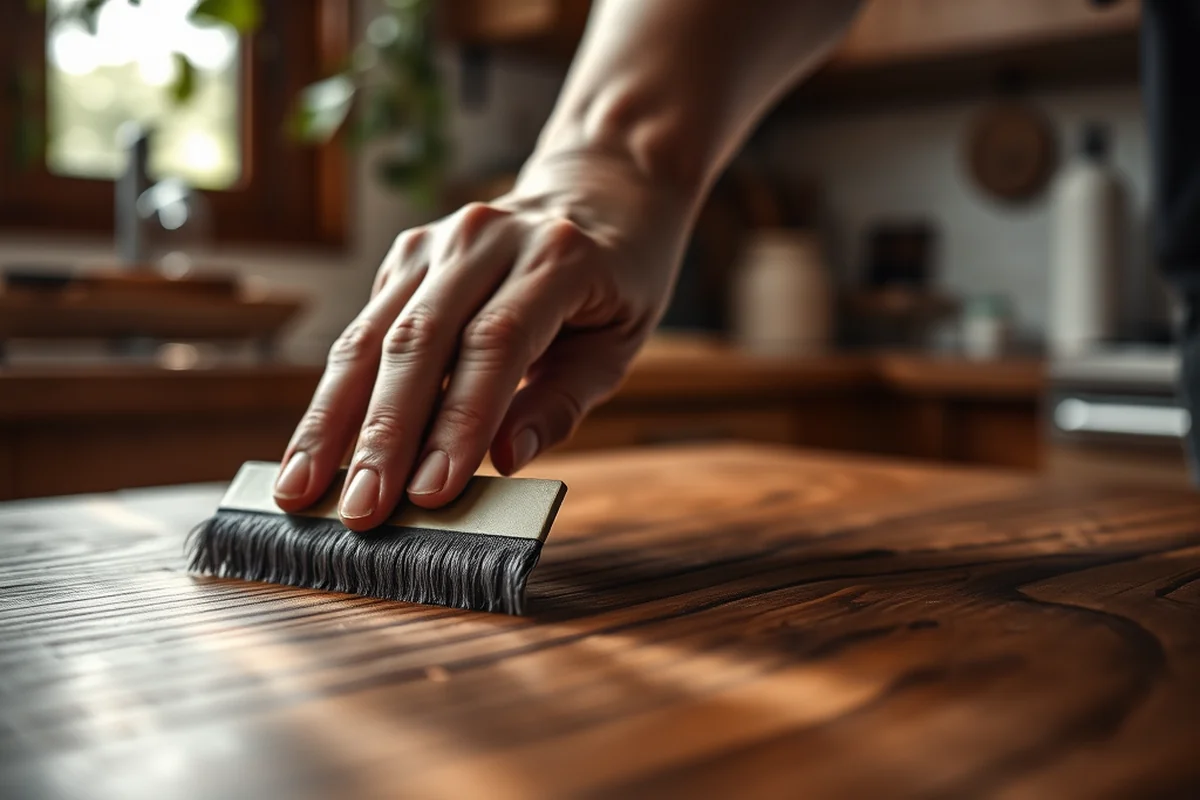
The construction of the cabinet is just as important as the materials used. Poorly constructed cabinets can warp, sag, or even fall apart over time, especially in a high-traffic kitchen. One of the best indicators of a high-quality cabinet is the type of joinery used. Dovetail joints are a sign of quality because they’re strong and resistant to pulling apart. Mortise-and-tenon joints are also highly durable and are often used in custom cabinetry.
In my own project, I chose cabinets with dovetail joints because I knew they would provide the strength and stability I needed. I also made sure the cabinet boxes were reinforced with cross bracing inside the frames — this helps prevent sagging in the middle of the cabinet. Another thing to look for is the thickness of the materials. Thicker cabinet boxes and panels tend to be more durable and provide better support for heavy items like pots and pans.
Finally, the way the cabinet is attached to the wall or floor can impact its stability. Look for cabinets that are designed to be mounted on the wall with proper brackets or that have a built-in floor system. This is especially important for tall cabinets that might sway if not properly secured.
Never underestimate the power of good joinery — it's what holds your cabinets together for years to come.
Related: How to prep kitchen
Finishes That Last: How to Choose the Right One for Your Kitchen
The finish on your cabinets is just as important as the materials and construction. A poor finish can chip, scratch, or fade quickly, while a high-quality finish can protect your cabinets for years. There are a few common finishes to consider: lacquer, polyurethane, and melamine. Each has its own pros and cons.
I tested lacquer on a small section of my cabinets and found that it dried quickly and gave a smooth, glossy finish. However, I noticed that it was more prone to chipping in high-traffic areas. Polyurethane, on the other hand, was more durable and resistant to water, but it took longer to dry and was a bit more expensive. Melamine is a good option for budget-friendly cabinets — it’s tough and scratch-resistant. It can’t be refinished, so it’s not ideal if you want to update your kitchen in the future.
If you’re working with a contractor or purchasing pre-finished cabinets, make sure the finish is compatible with your kitchen environment. For example, if you have a high-moisture kitchen, look for a finish that’s water-resistant. If you’re planning to paint your cabinets, make sure the finish is compatible with paint and won’t cause peeling or flaking.
In high-moisture areas, opt for finishes like polyurethane or water-based lacquers. Avoid melamine if you plan to repaint later.
“I still remember the first time I walked into my new home and saw the sad state of the kitchen cabinets — warped, stained, and…”— Upcycled Kitchen Cabinet Makeovers editors
Related: Kitchen cabinet design
The Importance of Cabinet Doors and Drawers
Cabinet doors and drawers are often overlooked, but they play a big role in the overall quality of your kitchen. Poorly fitted doors can sag, stick, or not close properly, while drawers that don’t slide smoothly can make daily tasks frustrating. When looking for high-quality cabinets, make sure the doors are well-fitted and the drawers have smooth, durable glides.
In my own project, I had to replace the original drawers because they were noisy and didn’t slide smoothly. I chose drawers with soft-close mechanisms and ball-bearing glides, which made a huge difference in how the cabinets functioned. Soft-close mechanisms prevent doors and drawers from slamming shut, which is a nice touch in a busy kitchen.
Another thing to consider is the type of hardware used. High-quality cabinets often come with stainless steel or brass handles and hinges, which not only look great but are also more durable. Cheaper cabinets might use plastic or low-quality metal hardware, which can wear out quickly and look unattractive over time.
Related: Green kitchen cabinets
Custom vs. Pre-Fabricated Cabinets: Which Is Right for You?
One of the biggest decisions you’ll face is whether to go with custom or pre-fabricated cabinets. Custom cabinets are made to fit your kitchen exactly, which can be a huge advantage if your space has unusual dimensions or you have specific storage needs. However, they’re typically more expensive and take longer to install.
Pre-fabricated cabinets, on the other hand, are more affordable and can be purchased from a variety of retailers. They’re often designed for standard kitchen sizes, which makes them easier to install but may not be as flexible in terms of customization. I found that pre-fabricated cabinets were a good option for my project because I didn’t have any unusual dimensions, and they fit perfectly after a bit of minor adjustment.
If you’re working with a contractor, they can help you decide whether custom or pre-fabricated cabinets are the best fit for your space. They can also help you measure your kitchen accurately and ensure that the cabinets will fit properly. If you’re doing it yourself, make sure to take precise measurements and compare them with the dimensions of the cabinets you’re considering.
Related: What is kitchen equipment
The Cost Factor: How Much Should You Expect to Pay?
The cost of kitchen cabinets is one of the biggest factors to consider when choosing the best quality. Prices can range from a few hundred dollars per linear foot for basic cabinets to several thousand dollars for high-end, custom options. The price is often determined by the materials, construction, and finish.
In my own project, I ended up spending around $1,200 per linear foot for high-quality, custom cabinets with dovetail joints and a polyurethane finish. This was a bit more than I expected, but I knew it was worth it for the durability and look. If you’re on a tighter budget, you can find good quality cabinets for around $600 to $900 per linear foot, depending on the materials and construction.[2]
It’s also important to consider the long-term cost of your cabinets. While cheaper cabinets may seem like a good deal upfront, they may require more maintenance or replacement over time. Investing in high-quality cabinets can save you money in the long run by reducing the need for repairs and replacements.
Investing in quality now can save you from expensive repairs and replacements down the line.
Related: Us cabinet depot
Finding the Best Quality Kitchen Cabinets: Tips and Tricks
Finding the best quality kitchen cabinets involves more than just looking at the price tag or the style. It’s about checking for details like joinery, finishes, and construction. When shopping for cabinets, look for signs of quality craftsmanship, such as dovetail joints and reinforced cabinet boxes.
I also found that visiting a showroom or store in person was a great way to see the cabinets up close and get a better sense of their quality. You can test the drawers and doors to see how they function and check for any imperfections in the finish. If you’re buying online, make sure the seller provides clear photos and detailed descriptions of the materials and construction.
Finally, don’t be afraid to ask questions. If you’re not sure about the quality of the cabinets, ask the seller or contractor for more information. A good seller will be happy to answer any questions and provide you with all the details you need to make an informed decision.
💰 Budget Build
Affordable options with solid construction and basic finishes. Ideal for those on a tight budget who still want quality.
🛠️ Weekend Version
A quick project with simple materials and finishes. Great for a DIYer looking to upgrade their kitchen in a day.
✨ Upgraded Finish
A high-end option with premium finishes and materials. Perfect for those who want a custom look without the full custom price.
📐 Custom Fit
Tailored to your space with custom dimensions. Ideal for kitchens with unusual layouts or storage needs.
| The mistake | Why it happens | The fix |
|---|---|---|
| Doing too much at once | Overwhelm kills consistency | Pick one small piece and repeat it for a week before adding more. |
| Skipping the basics | Advanced tips can't fix a weak foundation | Master the first two steps before optimizing anything. |
What Is The Best Quality Kitchen Cabinets
References
- Best Kitchen Cabinet Buying Guide - Consumer Reports (consumerreports.org)
- Assessors' Handbook 531: Residential Building Costs (boe.ca.gov)
Cite this guide
Upcycled Kitchen Cabinet Makeovers (2026). What Is The Best Quality Kitchen Cabinets. https://upcyclehome.com/what-is-the-best-quality-kitchen-cabinets/
Feel free to cite or share this guide.