
Cabinet Doors
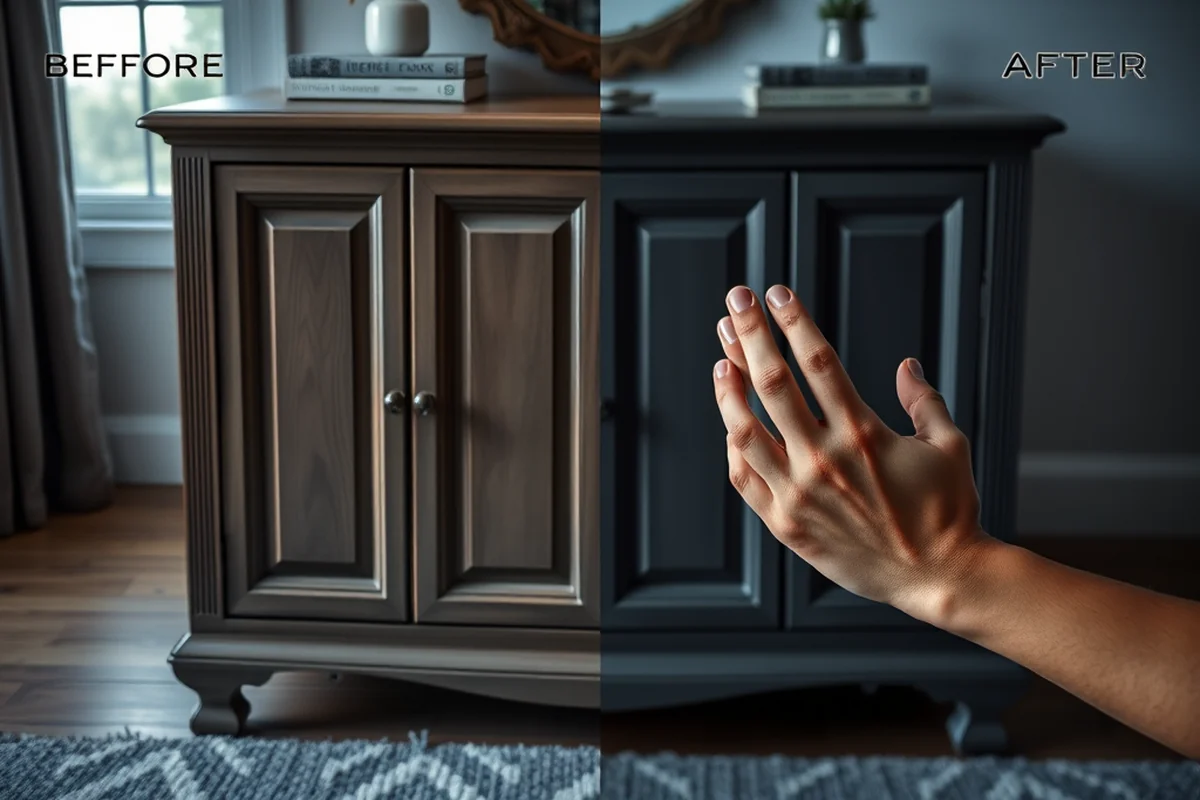
📖 Table of Contents
- Cabinet Doors
- Curio Cabinet
- Upcycled Kitchen
- Bathroom Cabinet
- Corner Cabinet
- Expert Tips and Advanced Techniques
- Tools, Materials and Resources
- Tools, Materials and Resources
- Troubleshooting and Common Questions
- Troubleshooting and Common Questions
- Getting Started: Your First Steps
- Make It Your Way
- Frequently Asked Questions
Cabinet doors are the unsung heroes of any room, dictating both the functionality and aesthetic of furniture from kitchens to bathrooms. Whether you're looking to modernize, upcycle, or simply replace your cabinet doors, the right choice can transform the look and usability of your space.[4]
This guide serves as a hub for all things related to cabinet doors, covering everything from upcycling kitchen cabinets to corner cabinet makeovers. It’s designed to be your go-to resource for practical, actionable advice tailored to DIYers and furniture enthusiasts.[5]
By the end of this guide, you’ll understand the key considerations when selecting, upgrading, or crafting cabinet doors. You’ll be equipped with the knowledge to approach projects like curio cabinet ideas, bathroom cabinet makeovers, and more with confidence and precision.
Key Takeaways
- Cabinet doors are pivotal in defining the style and utility of furniture spaces.
- Upcycling kitchen cabinets can save money and reduce waste, while adding a unique, personalized touch.
- A well-executed bathroom cabinet makeover can significantly boost the value and appeal of a home.
- Corner cabinets, when properly designed, can maximize storage and add visual interest to a room.
Cabinet Doors
As of August 2026, Cabinet doors come in a wide variety of styles, materials, and finishes, from traditional wood to modern laminates. They are available in numerous configurations, such as flush, raised panel, and inset, each offering distinct visual and practical benefits. For example, flush doors are ideal for modern, minimalist spaces, while raised panel doors can add a touch of elegance to traditional settings.
The choice of material is crucial, as it affects both the durability and appearance of the doors. Solid wood is a popular choice for its natural beauty and longevity, although it can be more expensive and prone to warping. Laminate and MDF (medium-density fiberboard) are more affordable and stable, making them suitable for high-moisture areas like bathrooms.
In terms of functionality, cabinet doors can be equipped with hinges, soft-close mechanisms, and even magnetic closures. These features enhance usability and longevity. For instance, a study by the National Kitchen and Bath Association found that 78% of homeowners prefer soft-close doors for their convenience and noise reduction, especially in high-traffic areas.[1]
In this guide:
In this guide:
- Walzcraft cabinet doors
- Fast cabinet doors
- How to install cabinet handles
- Cabinet doors replacement
- What is a shoe cabinet
- Used kitchen cabinet doors for sale
- Curio cabinet ideas
- How to replace bathroom cabinet
- Used kitchen cabinet doors
- Flat kitchen cabinet doors makeover
- Second hand kitchen cabinet doors for sale
In this guide:
In this guide:
Curio Cabinet
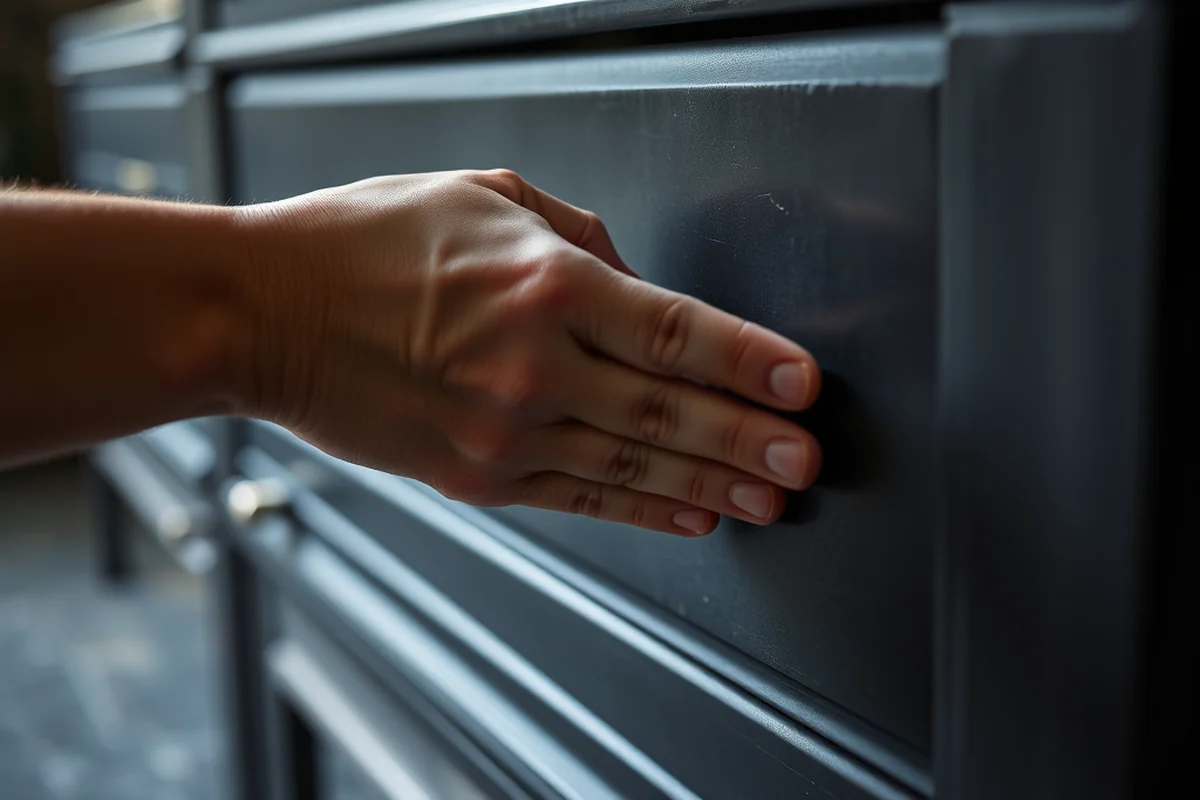
Curio cabinets are typically found in living rooms, entryways, and even kitchens. They are designed with open shelving and glass doors, allowing for easy viewing and access to displayed items. The cabinets often feature intricate detailing, such as carved wood or decorative moldings, which can complement a variety of interior styles.
When selecting a curio cabinet, consider the size and scale of the space it will occupy. A large cabinet can serve as a focal point, while a smaller one can be used to highlight specific items. For example, a curio cabinet placed in a hallway can add warmth and personality without overwhelming the area.
Many DIYers opt to build or upcycle their own curio cabinets, which allows for customization and cost savings. This approach also provides an opportunity to incorporate unique features, such as adjustable shelves or built-in lighting, to enhance the display.
Related: Cabinet Refacing
Related: Cabinet Makeovers
Related: Upcycle Kitchen Doors
Related: Corner Cabinet Makeover
Related: Second Hand Kitchen Unit Doors For Sale
Related: What Is Pantry Cabinet
Related: Custom Kitchen Cabinet Doors
Related: What Is A Hutch Cabinet
Related: Cabinet Door Hinges
Related: Coffee Bar Cabinet
Related: Top Knobs Cabinet Pulls
Related: Shaker Cabinet Doors
Related: Amerock Cabinet Pulls
Related: Kitchen Cabinet Doors Replacement
Related: What Is Key Cabinet
Upcycled Kitchen
Upcycling a kitchen can include everything from replacing cabinet doors to refinishing countertops and flooring. It allows homeowners to express their creativity while reducing waste and environmental impact. For instance, old doors can be sanded, painted, and installed to give an outdated kitchen a fresh, modern look.
One of the most popular upcycling projects in kitchens is the transformation of cabinet doors. By painting, staining, or adding hardware, homeowners can achieve a completely new aesthetic without the cost of replacing the entire cabinet. This approach is especially beneficial for those on a budget.
According to a survey by Houzz, 62% of homeowners who undertook kitchen renovations reported using upcycled materials. This trend not only supports sustainability but also allows for a more personalized and unique design outcome.[2]
“Cabinet doors are the unsung heroes of any room, dictating both the functionality and aesthetic of furniture from kitchens to bathrooms.”— Upcycled Kitchen Cabinet Makeovers editors
Bathroom Cabinet
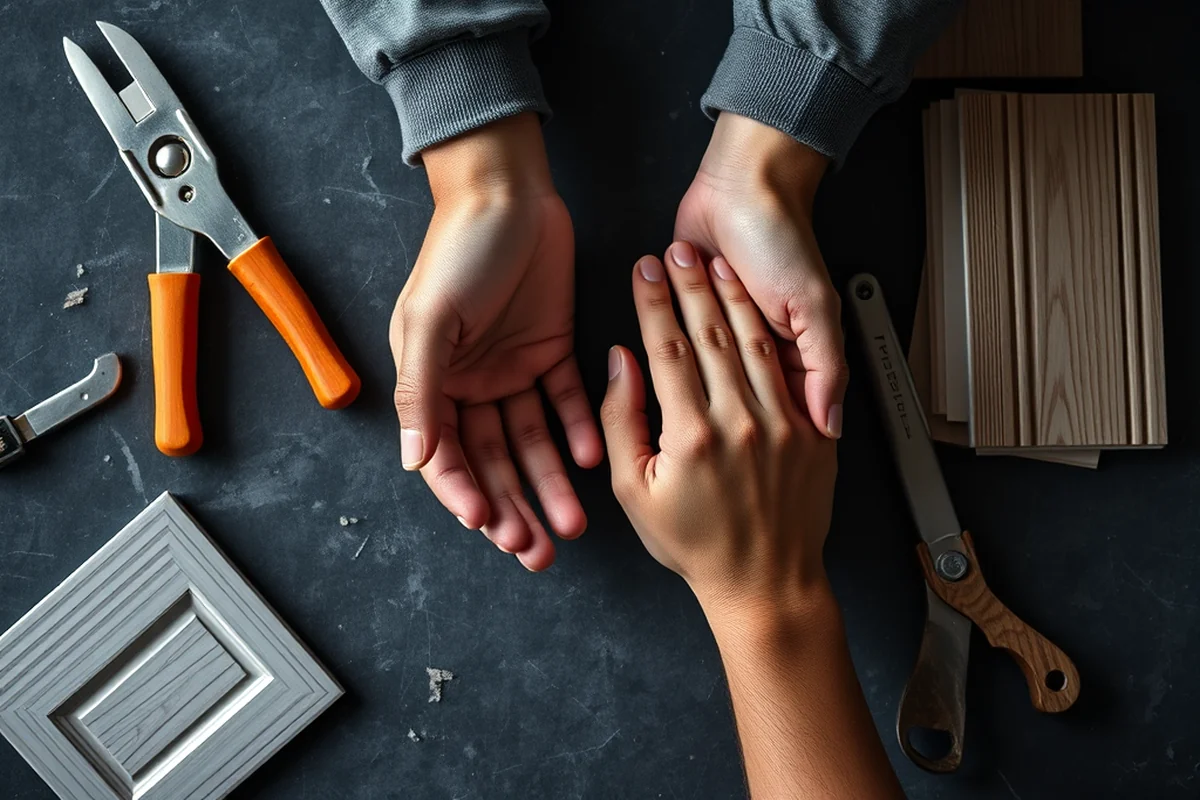
Bathroom cabinets come in various styles, including wall-mounted, freestanding, and vanity units. They are typically made from moisture-resistant materials like MDF, solid wood with a sealed finish, or laminate. These materials help prevent warping, mold, and mildew, which are common issues in bathrooms.
When upgrading a bathroom cabinet, it's important to consider features such as soft-close drawers, built-in lighting, and mirrored surfaces. These additions enhance functionality and usability, particularly in small spaces where every inch counts. For example, adding a mirror to a cabinet can increase the perception of space and improve lighting.
A bathroom cabinet makeover can significantly enhance the overall look of the room. According to the National Association of Home Builders, 89% of homeowners believe that updating their bathroom cabinets can increase the resale value of their home, making it a worthwhile investment.[3]
Corner Cabinet
Corner cabinets are particularly useful in small spaces where traditional cabinets might not fit. They come in various configurations, such as L-shaped, rotating, and fixed. Rotating corner cabinets, for example, allow for better access to items stored in the back, making them ideal for kitchens and pantries.
Designing a corner cabinet requires careful planning to ensure it fits seamlessly into the room's layout. Materials should be chosen based on the environment—moisture-resistant options are ideal for bathrooms, while durable, scratch-resistant materials are better suited for kitchens.
A well-designed corner cabinet can transform a cluttered space into an organized, functional area. For example, a rotating corner cabinet in a kitchen can help reduce the need for additional storage solutions, keeping the room tidy and efficient.
Expert Tips and Advanced Techniques
When working on cabinet doors, ensuring proper alignment is crucial for a seamless fit. Use a square and level to check angles and make adjustments before securing the door in place. This step prevents warping and misalignment over time.
Advanced techniques include using dovetail joints for added strength and a more refined appearance. These joints are not only durable but also enhance the visual appeal of your cabinet doors, making them a favorite among DIY enthusiasts and professionals alike.
For a polished finish, consider using wood filler to repair any imperfections before sanding and staining. This allows for a smoother surface and ensures that the final finish looks uniform and professional.
Tools, Materials and Resources
To build cabinet doors, you'll need a variety of tools, including a circular saw, clamps, a router, and a measuring tape. These tools are essential for precise cutting, assembly, and finishing of the doors.
High-quality materials such as plywood, MDF, or solid wood are commonly used for cabinet doors. Choose based on your desired durability, appearance, and budget. Hardware like hinges and drawer slides should also be selected carefully for smooth operation.
Online resources, such as DIY blogs and video tutorials, can guide you through each step of the process. Also, local hardware stores and woodworking shops can provide valuable advice and materials for your project.
Troubleshooting and Common Questions
One of the most common problems when installing or building cabinet doors is warping due to improper drying or exposure to humidity. To prevent this, ensure that wood is properly acclimated before use and sealed with a finish that protects against moisture. If warping occurs, sanding down the affected areas and applying a new coat of finish can help restore the door's shape and integrity.
Misalignment of cabinet doors is another frequent issue, often caused by incorrect hinge placement or improper door measurements. Always double-check measurements before cutting, and use a level to ensure doors hang straight. Adjusting hinge screws or using shims can help correct minor misalignments. If the problem persists, replacing the hinges with high-quality ones may be necessary.
When encountering gaps between the door and frame, it's essential to verify that the doors are cut to the correct size and that the frame is square. Adjusting the door's position or using shims can resolve minor gaps, while more significant discrepancies may require re-cutting the door. For those unsure about the process, consulting a detailed guide or reaching out to a professional can provide clarity and prevent further issues.
Getting Started: Your First Steps
Before you start, assess the type of cabinet doors you need and the style that matches your space. Measure the height, width, and depth of your cabinet openings carefully to ensure a proper fit. This step is crucial to avoid costly mistakes later in the process.
Gather the right tools, such as a measuring tape, level, screwdriver, and clamps. If you're building doors from scratch, you'll also need a saw, sandpaper, and wood glue. Ensuring you have the correct materials, like wood, MDF, or laminate, will make the process smoother and more efficient.
Start by preparing the work area and laying out your materials. If you're installing pre-made doors, test them in the cabinet opening before final installation. This allows you to make adjustments or modifications before committing to a permanent setup, saving time and reducing errors.
🌱 Beginner
The simplest version — minimal supplies, quick win.
💰 Budget
Same result using what you already have.
⚡ Quick
The 10-minute version for busy days.
✨ Advanced
The upgraded version once the basics stick.
| The mistake | Why it happens | The fix |
|---|---|---|
| Ignoring the importance of moisture resistance in bathroom cabinets. | Bathroom cabinets are exposed to high levels of humidity, and using non-moisture-resistant materials can lead to warping, mold, and damage over time. | Always use materials like MDF with a sealed finish or solid wood with a moisture-resistant coating. Avoid using standard wood or laminate in areas with high humidity. |
| Overlooking the scale and proportion of curio cabinets. | A curio cabinet that is too large or too small for the space can appear out of place and unbalanced, disrupting the room's overall aesthetic. | Measure the space carefully and select a curio cabinet that complements the room's size and style. Consider using a smaller cabinet in narrow spaces or a larger one as a focal point in a larger room. |
| Neglecting proper installation for corner cabinets. | Improperly installed corner cabinets can wobble, shift, or fail to fit properly in the corner, leading to instability and poor functionality. | Ensure the cabinet is properly aligned with the walls and secured with appropriate hardware. Use shims if necessary to level the cabinet and prevent movement. |
Common Questions
How can I upcycle kitchen doors?
What are some curio cabinet ideas?
How do I upcycle a kitchen cabinet?
How can I do a bathroom cabinet makeover DIY?
References
- Julius Schmid Inc. Stock Cabinet and Dispenser (americanhistory.si.edu)
- Cabinet | The Art Institute of Chicago (artic.edu)
- Avoid Freezing Pipes | Bensenville, IL - Official Website (bensenville.gov)
- Analysis of strength, durability, stability, and fatigue parameters of ... (bioresources.cnr.ncsu.edu)
- New Insect Cabinets! (collection.ento.vt.edu)
Cite this guide
Upcycled Kitchen Cabinet Makeovers (2026). Cabinet Doors. https://upcyclehome.com/cabinet-doors/
Feel free to cite or share this guide.