
Recycled Kitchen Ideas
📖 Table of Contents
- How to Choose the Right Materials for a Recycled Kitchen
- Prepping Your Materials for a Recycled Kitchen
- Painting and Staining Your Recycled Kitchen Materials
- Reassembling Your Recycled Kitchen
- Adding Final Touches to Your Recycled Kitchen
- Maintaining Your Recycled Kitchen
- Inspiration for Your Recycled Kitchen
- Make It Your Way
- Frequently Asked Questions
There’s something magical about the way a recycled kitchen can transform a space — not just visually, but emotionally. I remember the day I pulled a set of old oak cabinets from a dumpster, their edges worn but their frames still strong. With a few coats of paint and some clever reorganization, they became the heart of my home. Recycled kitchen ideas are more than a trend; they’re a way to breathe new life into forgotten things and build something meaningful from what others have discarded.[1]
I didn’t set out to be a DIY expert, but over the years, my kitchen has become a canvas for creativity. From repurposed countertops made from old barn wood to sink basins carved from salvaged stone, every element tells a story. Recycled kitchen ideas are not just about saving money or reducing waste — they’re about honoring the past while creating a functional, beautiful space for the future.
The process of building a recycled kitchen is messy, sometimes frustrating, and often messy again — but the results are worth it. I’ve learned the hard way that proper planning and the right tools can make all the difference. Whether you’re a beginner or a seasoned DIY-er, there’s a recycled kitchen idea out there that will work for you. Let’s explore how to make it happen.
Why You'll Love This Project
- You’ll save money by repurposing materials that would otherwise go to waste.
- Your kitchen will have a unique, handcrafted look that can’t be bought in a store.
- You’ll reduce your environmental impact by keeping old materials out of landfills.
- You’ll gain a deep sense of satisfaction from building something meaningful with your own hands.
How to Choose the Right Materials for a Recycled Kitchen
As of August 2026, I’ve found that old doors, window frames, and even discarded shelving units can be transformed into cabinet doors or countertops. Just make sure the material is structurally sound — a quick tap test with a hammer can reveal weak spots.
If you’re sourcing materials from a salvage yard or a demolition site, take your time. Look for pieces that are in good condition and have a clean surface. I once took home a set of 1950s kitchen cabinets that had been left outside for years — they had a lot of damage, but the frame was still usable.
Once you’ve selected your materials, bring them home and let them sit for a day or two to dry out. This helps prevent warping or cracking later on, especially if you’re working with wood.
Tap the material gently with a hammer or mallet. A dull thud usually means the wood is weakened, while a crisp, resonant sound indicates it’s still solid.
Part of our More upcycled kitchen hutch guide.
Prepping Your Materials for a Recycled Kitchen
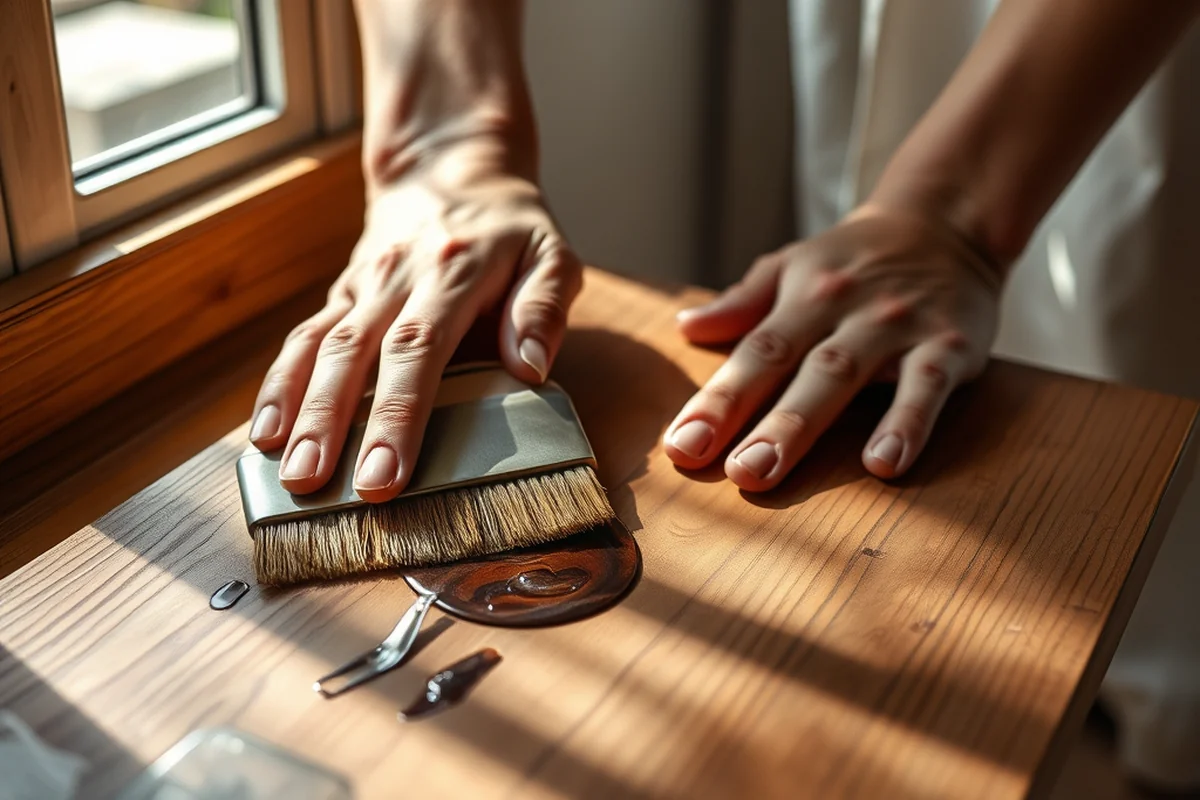
I always start by cleaning the materials with a pressure washer and a mild detergent. This removes any dirt, grime, or old paint that might be on the surface. For wood, I use a wire brush and a degreaser to get rid of any old finishes or stains.
Once the materials are clean, I sand them down to a smooth surface. This helps the paint or stain adhere better and creates a more even finish. I use a fine-grit sandpaper, usually around 120 grit for wood and 150 grit for metal.
After sanding, I apply a primer or sealant to protect the material from moisture and wear. For wood, I use a water-based primer, and for metal, I use a rust-inhibiting primer. This step is crucial for ensuring the longevity of your recycled kitchen.
A little prep work today can save you a lot of headaches later on.
Related: Upcycled dining furniture
Related: Repurposed furniture kitchen island
Related: Repurpose kitchen desk area ideas
Related: Green Kitchen Ideas
Related: Upcycled kitchen island
Related: What Is The Kitchen Scale
Related: How To Make A Small Kitchen Look Bigger
Related: What Is Kitchen Accessories
Related: In The Kitchen Tools
Related: What Is Kitchen Pantry
Related: What Is Commercial Kitchen Equipment
Related: Dish Strainers For Kitchen Counter
Related: What Is Kitchen Supplies
Related: What Is A Drawer Microwave
Related: Kitchen Island Layout Ideas
Related: Upcycle Kitchen Doors
Related: What Is A Kitchen Strainer
Related: What Is A Mud Kitchen
Related: Pecan Craft Kitchen
Related: What Is French Country Style Kitchen
Related: Modern Apartment Kitchen Design Ideas
Related: French Country Kitchen Ideas
Painting and Staining Your Recycled Kitchen Materials
I usually go with a light, neutral color for kitchen cabinets — something like a soft gray or a warm white. This helps create a clean, modern look that’s easy to maintain. For countertops, I use a darker, more durable stain to make the surface easier to clean.
I always use a high-quality brush or a sprayer to apply the paint or stain. A brush works best for detailed areas, like cabinet edges or corners, while a sprayer is faster for large surfaces. I apply at least two coats of paint or stain for even coverage.
After the paint or stain has dried, I seal it with a clear topcoat. This helps protect it from moisture, scratches, and fading. I use a water-based polyurethane for wood and a clear epoxy for countertops. This step is essential for making your recycled kitchen last.
Before applying your paint or stain to the entire material, test it on a small, inconspicuous area. This helps you see how it looks and how well it adheres to the surface.
“There’s something magical about the way a recycled kitchen can transform a space — not just visually, but emotionally.”— Upcycled Kitchen Cabinet Makeovers editors
Related: What Is Farmhouse Kitchen Decor
Reassembling Your Recycled Kitchen
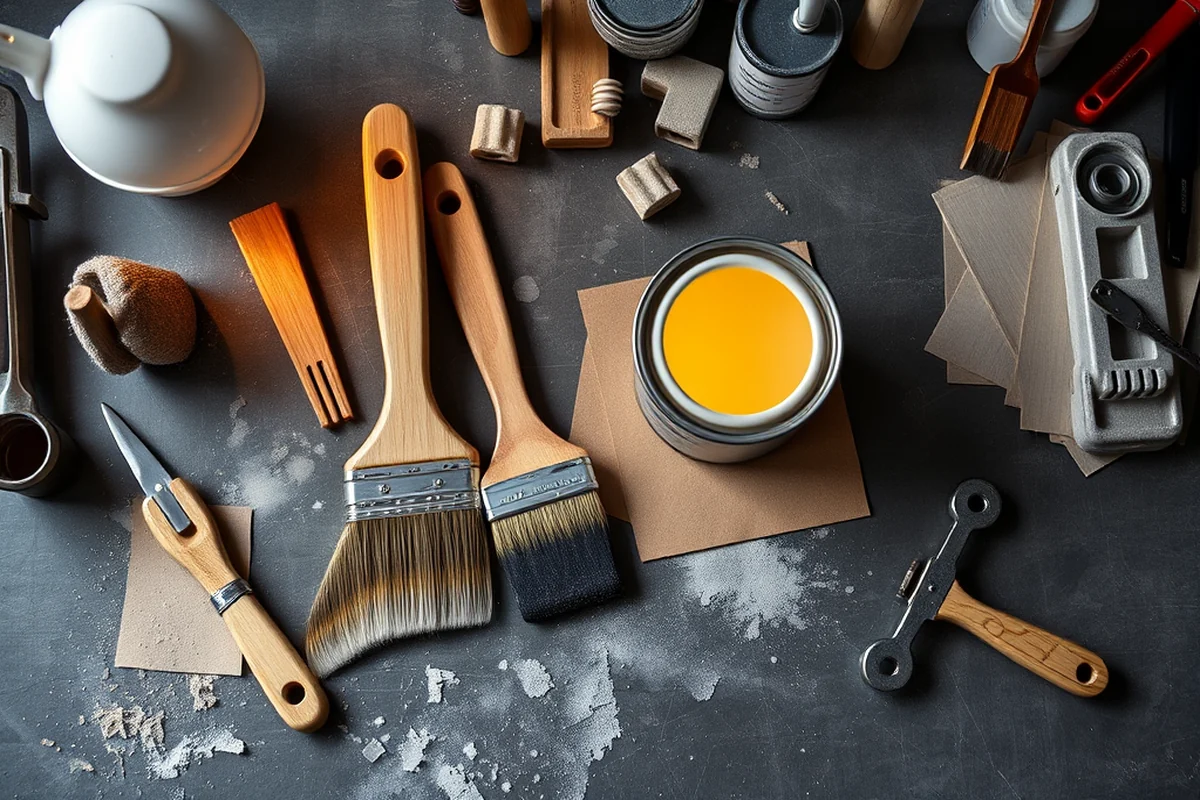
I like to start by mounting the cabinets first. I use a level to ensure they’re straight and evenly spaced. I attach them to the wall using screws and brackets, making sure they’re secure and stable.
Next, I install the countertops. I place them on top of the cabinets and secure them with brackets or adhesive. I use a level to make sure they’re even and stable. For larger countertops, I use brackets spaced about 12 inches apart to hold them in place.[2]
Finally, I add the hardware — handles, knobs, and hinges. I choose hardware that complements the style of the kitchen and matches the color of the paint or stain. I install them with a screwdriver or a drill, making sure they’re tight and secure.
Adding Final Touches to Your Recycled Kitchen
I like to add lighting to my kitchen to make it more functional and inviting. I use LED strip lighting under the cabinets and overhead lighting in the ceiling. This helps create a warm, welcoming atmosphere.
For the backsplash, I use tiles or glass that I’ve repurposed from old countertops or windows. I install them using a tile adhesive and a grout that matches the color of the paint or stain. This adds a unique, custom look to the kitchen.
Finally, I add decor — like plants, kitchen utensils, and framed photos — to make the space feel more lived-in. I choose decor that complements the style of the kitchen and adds a personal touch.
Maintaining Your Recycled Kitchen
I clean my kitchen regularly using a mild detergent and a soft cloth. I avoid using harsh chemicals that can damage the paint or stain. I also use a microfiber cloth to wipe down surfaces, which helps prevent scratches.
For the countertops, I use a non-abrasive cleaner and avoid using acidic substances like lemon juice or vinegar. These can damage the stain over time. I also use a sealant every six months to protect the surface from wear and tear.
I check the hardware regularly to make sure it’s tight and secure. I also inspect the cabinets and countertops for any signs of damage or wear. If I notice any issues, I address them right away to prevent them from getting worse.
A little maintenance goes a long way in keeping your recycled kitchen looking great for years to come.
Inspiration for Your Recycled Kitchen
I often look for inspiration in magazines, blogs, and social media. I find that looking at other people’s recycled kitchens can give me new ideas and help me see what’s possible.
I also visit salvage yards, antique shops, and thrift stores to find unique materials that can be repurposed. I’ve found some amazing pieces that I never would have considered otherwise.
Finally, I talk to other DIY-ers and ask for their advice. They often have tips and tricks that can help me create a better kitchen. I’ve learned so much from the community and enjoy sharing my own experiences as well.
💰 Budget Build
A low-cost version using secondhand materials from thrift stores and salvage yards.
⏰ Weekend Version
A quick project that can be completed in one weekend with prepped materials and simple tools.
✨ Upgraded Finish
A more polished look using high-quality paint, stain, and hardware for a refined kitchen.
🏠 Small-Space Adaptation
A version tailored for smaller kitchens using compact, space-saving designs and materials.
🔒 Rental-Safe Option
A project that’s easy to remove and leave behind with no damage to the original structure.
| The mistake | Why it happens | The fix |
|---|---|---|
| Using the wrong type of paint or stain. | Using the wrong type of paint or stain can lead to peeling, cracking, or fading over time. | Always use a paint or stain that’s suitable for the material you’re working with. I recommend using a water-based paint for wood and a clear epoxy for countertops. |
| Not cleaning the materials properly before starting. | If the materials aren’t clean, the paint or stain may not adhere properly and can come off easily. | Always clean the materials with a pressure washer and a mild detergent before starting. This ensures the surface is clean and ready for painting or staining. |
| Not using a level when mounting cabinets or countertops. | If your cabinets or countertops are not level, they can look uneven and may not function properly. | Always use a level when mounting cabinets or countertops. I use a bubble level to make sure everything is straight and even. |
Recycled Kitchen Ideas
Common Questions
Where can I find materials for a recycled kitchen?
How long does a recycled kitchen project take?
What tools do I need for a recycled kitchen project?
Can I do a recycled kitchen project as a beginner?
References
- ADCVD Section 301 Bedroom Furniture Cabinets and Mattresses (cbp.gov)
- The Mystical Kitchen: Feminist Magic and Alchemical ... (digitalcommons.lindenwood.edu)
Cite this guide
Upcycled Kitchen Cabinet Makeovers (2026). Recycled Kitchen Ideas. https://upcyclehome.com/recycled-kitchen-ideas/
Feel free to cite or share this guide.